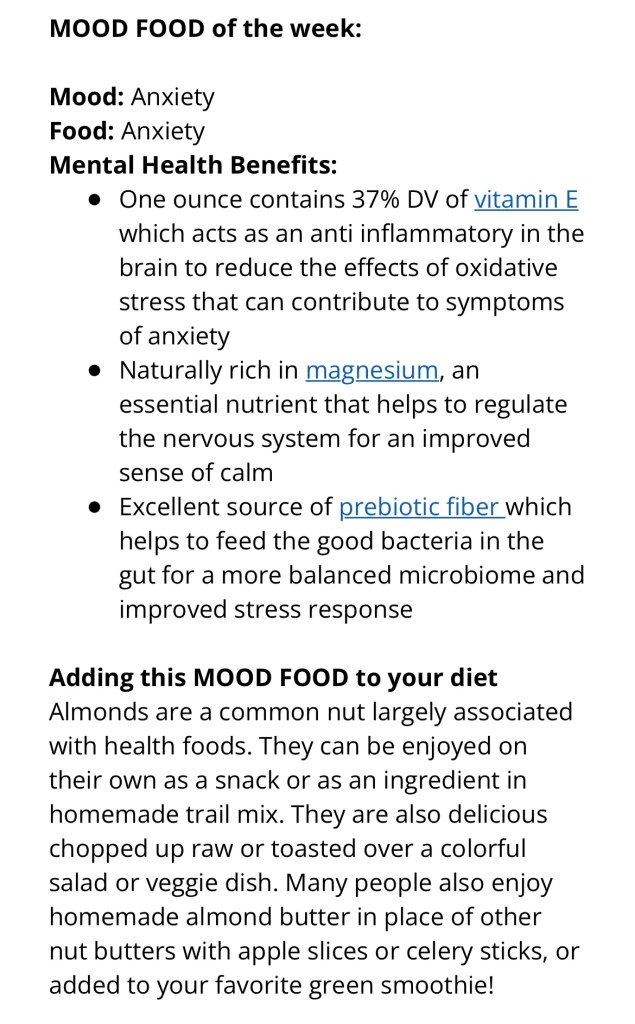
Dr Uma’s Mood Food – Almonds
Simple. Happy. You.

3-2-1: The process of life, joys of walking, and best hour of your week – James Clear
— Read on jamesclear.com/3-2-1/february-2-2023
3-2-1: Healthy self-esteem, how to build an exercise habit, and improving by 1% – James Clear
— Read on jamesclear.com/3-2-1/january-26-2023
2023 New Year Kick Start Challenge – Fresh Start Family
— Read on freshstartfamilyonline.com/newyear-challenge/
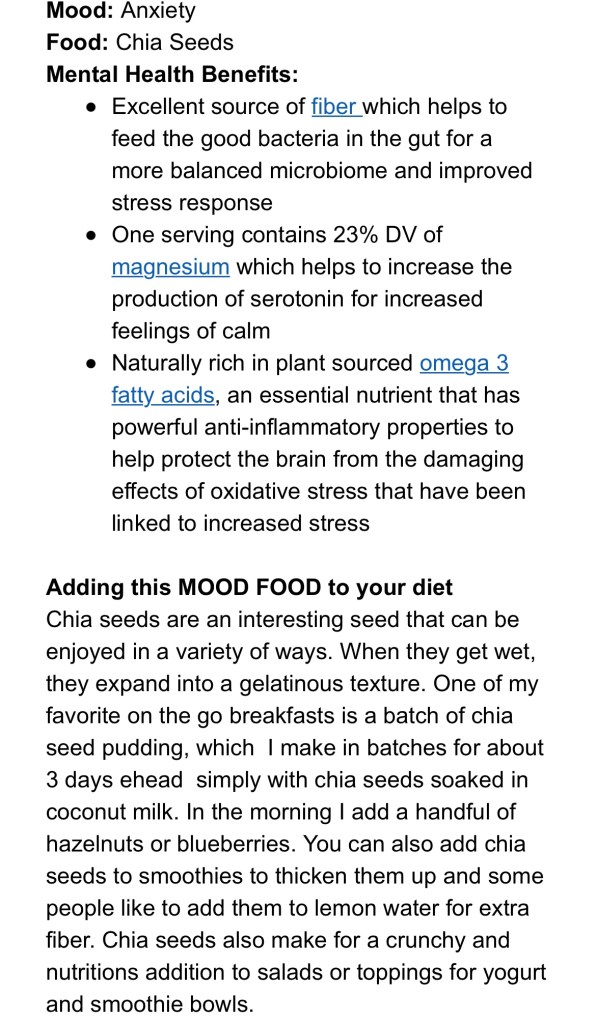
As a way of sharing my learning, I have started to create infographics on the principles of nutritional science, in simple bite size documents.
Nutritional Science is the study of
Catabolism (breaking down of food molecules) plus
Anabolism (repair and creation of cells and tissue) equals
Metabolism (process by which the body changes food and drink to energy)
To start with lets look at the fundamentals’ of nutrition and how nutrition can be broken down it 7 types
5 Macro Nutrients – Body needs in large amounts
2 Micro Nutrients – Body needs in small amounts
The molecules that form carbohydrates include
Sometimes referred to as ‘Simple Carbs’
Sometimes referred to as ‘Complex Carbs’
Good sources of carbohydrates are
Apples, bananas, cauliflower, carrots, oats, brown rice, chick peas
Approx 20 amino acids combined to form protein
Good sources of protein include
Beans, legumes, hemp seeds, chia seeds, flax seeds, unsalted nuts, quinoa, avocado, beets, kale and spinach
Fats are formed from 3 molecules of fatty acids, called Triglycerides, which combine with glycerol.
Individually these molecules are known as monomers (simple compounds)
When they form as a three (triglycerides), they are called polymers (complex compounds)
Good sources of fat include
Almonds, walnuts, pumpkin seeds, chia seeds, olives and avocados
Avoid these unhealthy plant-based breakfast foods and common breakfast habits that can sabotage your healthy plant-based diet.
— Read on www.livestrong.com/article/13731072-unhealthy-plant-based-breakfast-foods/
3-2-1: Focusing on what you can control, the value of small contributions, and daily habits – James Clear
— Read on jamesclear.com/3-2-1/january-19-2023
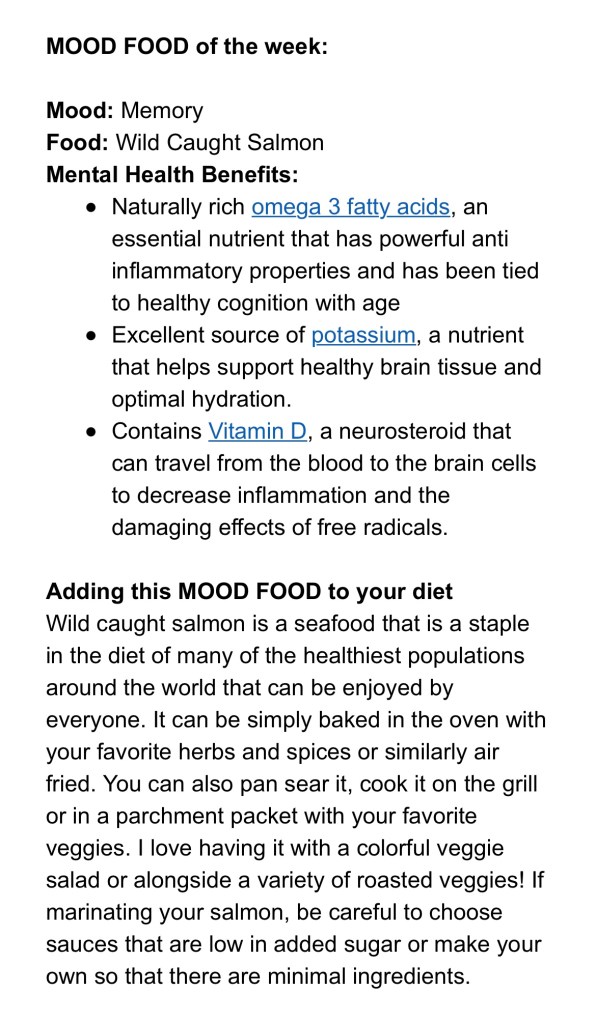

 Find the joy