✨ “There are two important days in our lives: the day we are born and the day we find out why.” — Mark Twain, American author
This quote has stayed with me because it reminds us that life isn’t just about existing — it’s about becoming. We all experience moments when we wonder what our purpose is, what meaning looks like, and how to feel truly alive in the time we have. Purpose and belonging sit at the heart of that longing. But discovering them isn’t about finding an elusive answer — it starts with paying attention to ourselves.
In a world full of noise, busyness, and endless to-dos, it’s easy to lose sight of what really matters. That’s where the idea of finding time for you becomes so powerful. As the Find the Joy approach beautifully lays out, there are five pillars — from caring for your wellbeing and moving your body, to noticing inspiration and nurturing creativity — all designed to help you slow down, attune to your needs, and make space for joy in everyday life.
Purpose doesn’t always arrive as a grand revelation. Often, it begins with small acts of self-listening: noticing what lifts your spirits, what you’re naturally curious about, and what moments make you feel most present. These are clues — gentle, authentic, and deeply personal — pointing toward what matters most to you.
When you listen to yourself — not to the world’s expectations, not to the voices of shoulds, but to your own inner spark — you start to notice patterns. You begin to see what inspires you, what brings you joy, and what reignites your energy. That’s where meaning starts to take shape.
And joy isn’t a distant destination. It’s something you invite in — in the pauses, in the creativity, and in the intentional choices that honour who you are right now. The pillars of Find Time for You show us that joy and purpose grow not from perfection or achievement, but from presence, intention, and self-care.
So perhaps the second most important day in our lives — the one where we find out “why” — isn’t a single moment at all. Maybe it’s a collection of small, intentional steps: slowing down, listening inward, and being inspired by what lights us up.
Because when we find joy in what we do with our time — when our actions reflect who we truly are — fulfilment naturally follows.
🌸 Some weeks you chase goals, and some weeks your body quietly catches up.
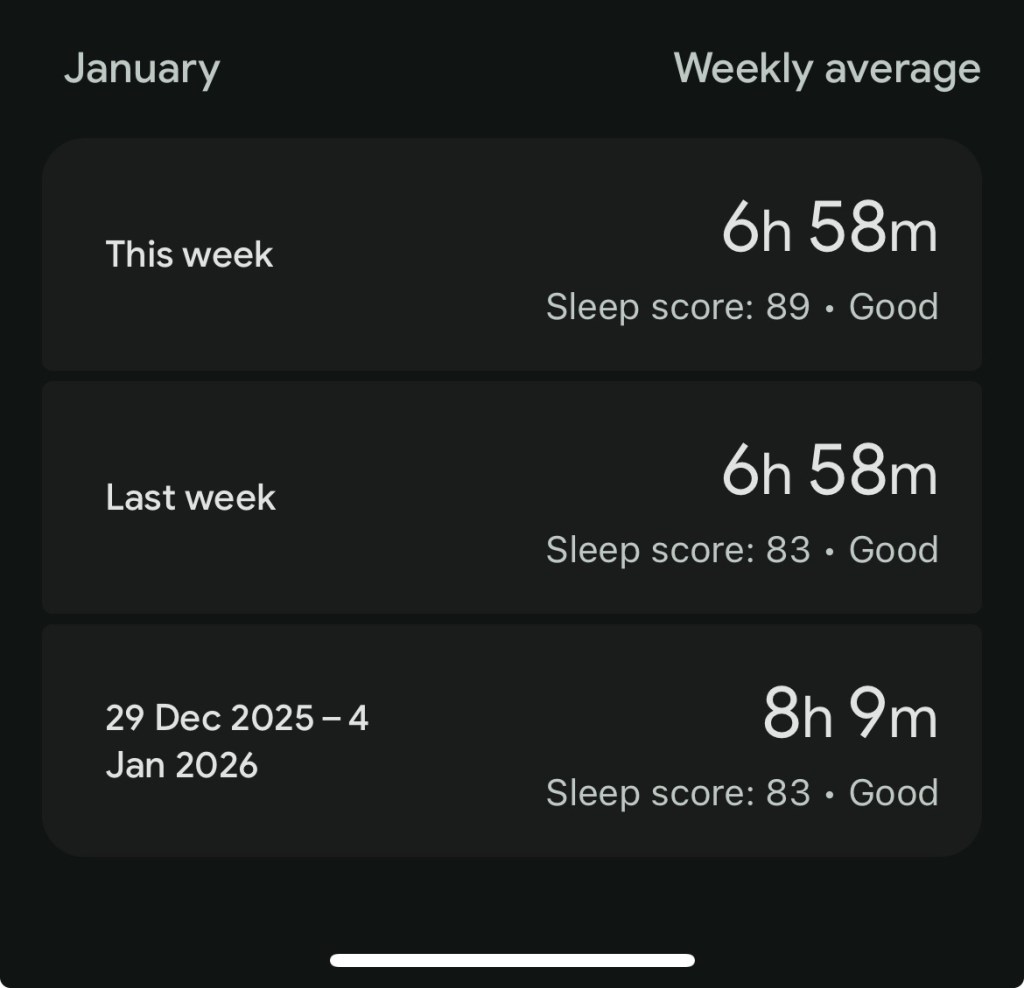
This week, as I saw a higher sleep score on my Fitbit — a gentle rise from what felt like endless just getting by nights — I felt something deeper than satisfaction: a soft sense of care for myself.
Find your Space Again
Sleep isn’t just a number. It’s a reflection of how we live, how we slow down, how we honour our wellbeing. That’s joy — in the everyday, the humble, the human.
Here’s how my sleep journey intertwined naturally with our Find Time for You pillars, with a few FitOn-backed strategies that gently supported that improvement.
🌿 1. Find a Healthier You
Sleep is nourishment. It’s the time our bodies repair, reset, and rejuvenate. And getting more consistent rest has ripple effects: more energy, clearer focus, better immunity, brighter mood.
💛 Some shifts that helped:
Built a calming evening routine — putting screens away and slowing down an hour before bed helped my nervous system ease into rest.
Limited caffeine and alcohol later in the day, respecting my body’s rhythms and helping my circadian system find a steady beat.
👉 These are small acts of nourishment — easy to overlook, profound in effect.
🌊 2. Find Your Flow
Movement isn’t just about exercise — it’s about feeling connected to your body. Gentle stretches or a short walk unlock tension, calm the mind, and signal to your body that today is ending, and rest is near.
I noticed that on days I moved with intention — even something as simple as a few minutes of stretching — I slept more deeply. My Fitbit sleep score didn’t lie. That sense of flow during the day translated into ease at night.
✨ 3. Find Your Inspiration
Inspiration sparks when we slow down enough to notice beauty — the dusk light outside your window, a moment of breath, a comforting tea before bed.
Some evenings, I poured a calming herbal tea, dimmed the lights, and read a few pages of a favourite book. These small inspired moments became markers of peace that my body learned to associate with rest.
🎨 4. Find You in Creativity
Creativity doesn’t have to be grand. It can be as simple as journaling before bed — a practice that clears the mind and declutters thoughts. This is creative rest: giving your brain space to unwind rather than chase tomorrow’s tasks.
Even a short brain dump — scribbling thoughts on paper instead of letting them buzz in your head all night — made falling asleep feel easier.
🏡 5. Find Your Space Again
Your environment can be a sanctuary. A cool, dark, quiet room set the stage for restful sleep. Little adjustments — blackout curtains, removing devices, lowering the thermostat — all helped create a space that invited sleep.
This pillar reminded me that peace isn’t just an abstract idea — it can be a physical space that my nervous system recognises as rest time.
🌸 How This All Felt
I didn’t wake up perfect. No one does. But this week’s sleep score wasn’t just a number — it was a sign that the small choices matter. That when we nourish our body, move in ways that feel good, invite rest into our routines, express stillness creatively, and craft a peaceful bedtime space, we cultivate wellbeing from the inside out.
❤️ Sleep is not something we conquer.
It’s something we invite — with patience, kindness, and simplicity. And when we do, we find not just rest, but a deeper joy in taking care of ourselves.
Tonight, I’ll turn off the lights not chasing perfection, but welcoming rest.
And that feels like joy.
💛 If you’re looking for gentle ways to unwind, FitOn has a beautiful selection of sleep meditations and wind-down practices to support deeper rest.
✨ At Find the Joy, wellbeing isn’t just a nice idea — it’s my top priority for families. I believe in nurturing simplicity, presence and connection in everyday life, not perfection. Whether it’s what we eat, how we move, or how we talk and listen to each other, wellbeing is woven into every moment we choose to show up fully.
Life can become so full of routines and to-dos that we slip into autopilot — issuing commands, reminding, urging, and expecting compliance. As thoughtful parenting voices remind us, that cycle often replaces listening with demands. Instead of connection, we get resistance. Parents ask: How do we help our children really listen — not because they have to, but because they feel heard and understood?
✨ Inspiration for Intentional Listening
Inspiration — the kind that gently shifts how we live — often comes from small, reflective moments. That’s what Find Your Inspiration is all about: slowing down, noticing what lights us up, and letting ideas that nourish wellbeing and joy into our lives.
This applies beautifully to how we relate as families. When we prioritise connection first, even in the everyday moments, we create the space where true listening can grow.
✨ Moments That Shift the Pattern
Here are some ways families can step out of command-mode and step into connection — rooted in the same mindful approach that underpins Find the Joy:
💛 Pause Before You Speak
Instead of the first instinct being a directive, take a breath. Eye contact, a gentle tone, and a moment of presence invite a child into connection before any request is made.
💛 Ask With Curiosity
Questions like “How can I help?” or “What do you need right now?” show your child that their feelings — not just their actions — matter. This invites dialogue instead of obedience.
💛 Share the ‘Why’
When children understand why something matters (“We need to eat together for our health and energy”), their motivation becomes internal rather than just responsive.
💛 Reflect Feelings Back
Sometimes what feels like resistance is emotion speaking. Naming what you see — “You seem frustrated right now” — shows your child they are seen, which opens the door to cooperation.
These gentle shifts aren’t quick fixes — they’re part of a compassionate rhythm that builds trust and wellbeing over time.
🌸 Why This Matters for Wellbeing
Wellbeing isn’t solely about healthy food, mindfulness walks or simple pleasures (though all of these matter). It’s also about how we communicate and connect with the people we love. When families cultivate listening instead of just obedience, the fabric of everyday life becomes warmer, deeper and more joyful — even in its messiest moments.
This is inspiration in action — not something grand, but something felt.
💛 A Gentle Reminder
Just like the inspiration I explore here at Find the Joy, shifting how we relate doesn’t demand perfection. One thoughtful conversation today can shape tomorrow’s connection.
Let’s find joy not only in what we do together, but in the way we hear each other — fully and with care.
✨ Where This Inspiration Began
This reflection was inspired by a thoughtful article from Parents Doing Better that explores how children are more likely to listen when they feel connected, respected and emotionally safe — rather than managed through commands and demands. It beautifully reinforces the idea that listening is built through relationship, not control.
If this topic resonates with you, I really encourage you to read the full article here:
👉 Getting Your Child to Listen Without… on Substack
At Find the Joy, family wellbeing is always my top priority. To me, wellbeing lives not only in how we care for our bodies and minds, but in how we relate to one another every day — in the small exchanges, the tone of our voices, and our willingness to truly listen.
When we step off autopilot and soften our approach, we create homes where children feel safe to express themselves, and where parents feel less drained by power struggles. These moments of connection — however imperfect — are where trust grows, resilience strengthens, and joy quietly takes root.
Because finding joy isn’t about getting everything right.
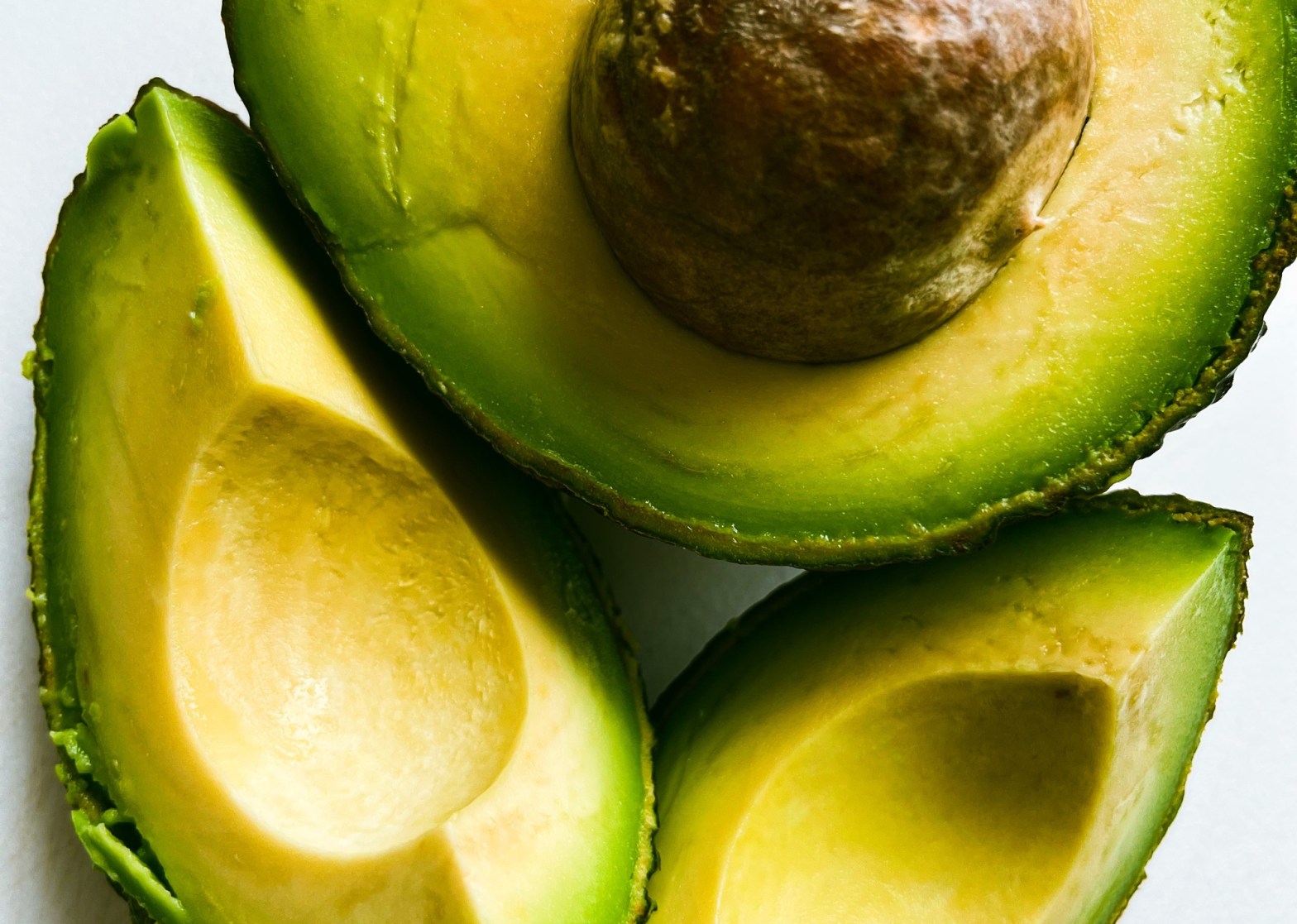
Avocados are more than a trendy toast topping — they’re a nutritional powerhouse that can make healthy eating feel joyful and effortless. Packed with healthy fats, fiber, vitamins, minerals, and antioxidants, avocados support heart, brain, and gut health while tasting delicious in a variety of ways.
Whether blended into a smoothie, mashed onto eggs, or drizzled with extra virgin olive oil, this creamy superfood is a staple in a balanced, feel-good lifestyle — just as Dr Uma champions in her mood-food series.
🌿 Why Avocados Are So Good for You
Avocado Avenger
🧠 Heart-Friendly, Nutrient-Rich Fats
Avocados are high in monounsaturated fats, the “good” fats that can help lower LDL (bad) cholesterol while supporting HDL (good) cholesterol. These healthy fats nourish your heart and help maintain balanced energy levels throughout the day.
💪 Gut & Digestive Support
Avocados are a gut-friendly source of healthy fats, along with extra virgin olive oil, coconut oil, and fatty fish like salmon and sardines. Healthy fats like these help feed beneficial gut bacteria, support digestion, and reduce inflammation in the digestive tract — all vital for overall wellbeing.
Easy ways to include gut-friendly fats at breakfast:
🥑 Make egg and avocado toast topped with hemp seeds for added fiber and nutrients.
🥑 Blend collagen into your breakfast smoothie for extra protein and gut support.
🥑 Drizzle extra virgin olive oil over a warm breakfast bowl of sautéed greens and eggs.
Including avocado in your meals not only nourishes your body but also helps maintain a healthy gut microbiome — an essential part of feeling energized and thriving every day.
🥑 Avocados in Smoothies: Creamy + Nutrient-Dense
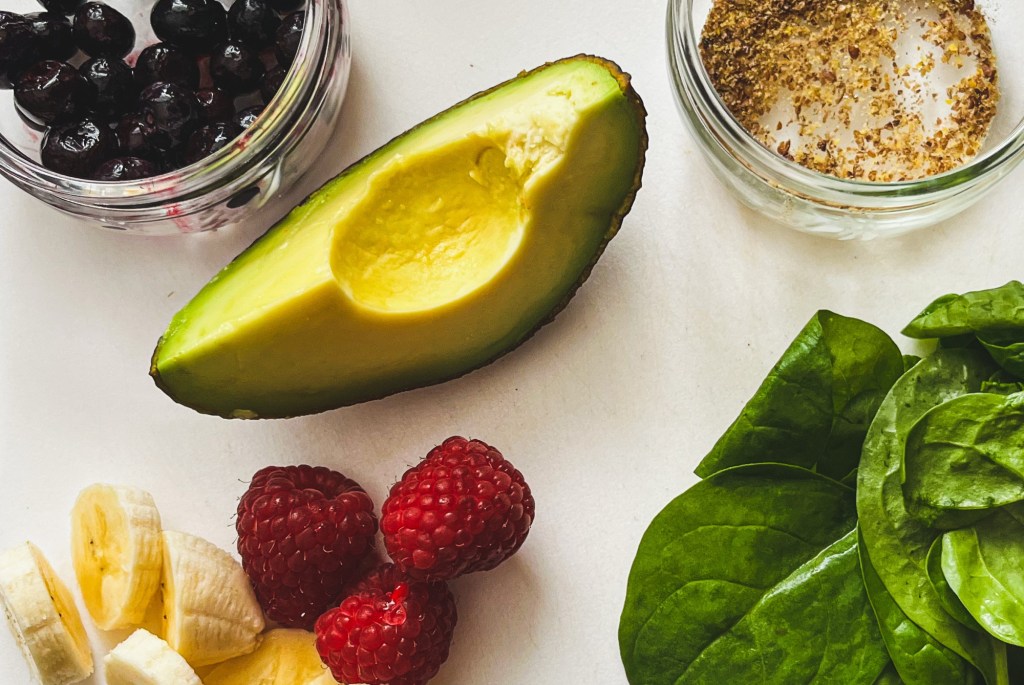
One of the simplest ways to enjoy avocado is in creamy, satisfying smoothies. Its mild flavor and thick texture make smoothies feel indulgent while still delivering fiber, healthy fats, and vitamins.
Avocado is the perfect creamy base to your smoothie
Tip: Adding avocado to smoothies helps your body absorb fat-soluble vitamins (A, D, E, K) from other fruits and greens, making your breakfast even more nourishing.
🍳 Avocado + Eggs: A Perfect Pair
Avocado’s natural creaminess makes it the perfect partner for eggs. Together, they provide healthy fats, protein, and fiber — keeping you full and supporting your digestive health.
Try these delicious combinations:
🍳 Avocado Egg Salad: Swap mayonnaise for mashed avocado for a gut-friendly twist.
🍳 Baked Avocado Eggs: Crack eggs into avocado halves and bake for a filling breakfast.
🍳 Egg & Avocado Toast: Top with hemp seeds for extra fiber and crunch.
These simple pairings are not just tasty — they’re a practical way to include healthy fats and gut-supporting nutrients into your everyday meals.
🥑 Simple Ways to Enjoy Avocados
Blend into smoothies for creamy texture and gut-supporting fiber Pair with eggs — on toast, in salads, or baked Mash into spreads or dressings Add to salads or grain bowls for richness and satisfaction
Avocados are more than just delicious — they’re a gentle, nourishing way to support heart, brain, and gut health every day. And as Dr Uma reminds us, food is not just fuel; it’s a simple, joyful form of self-care.
By including avocados in your meals, you’re not just eating — you’re finding a healthier you, one creamy bite at a time.
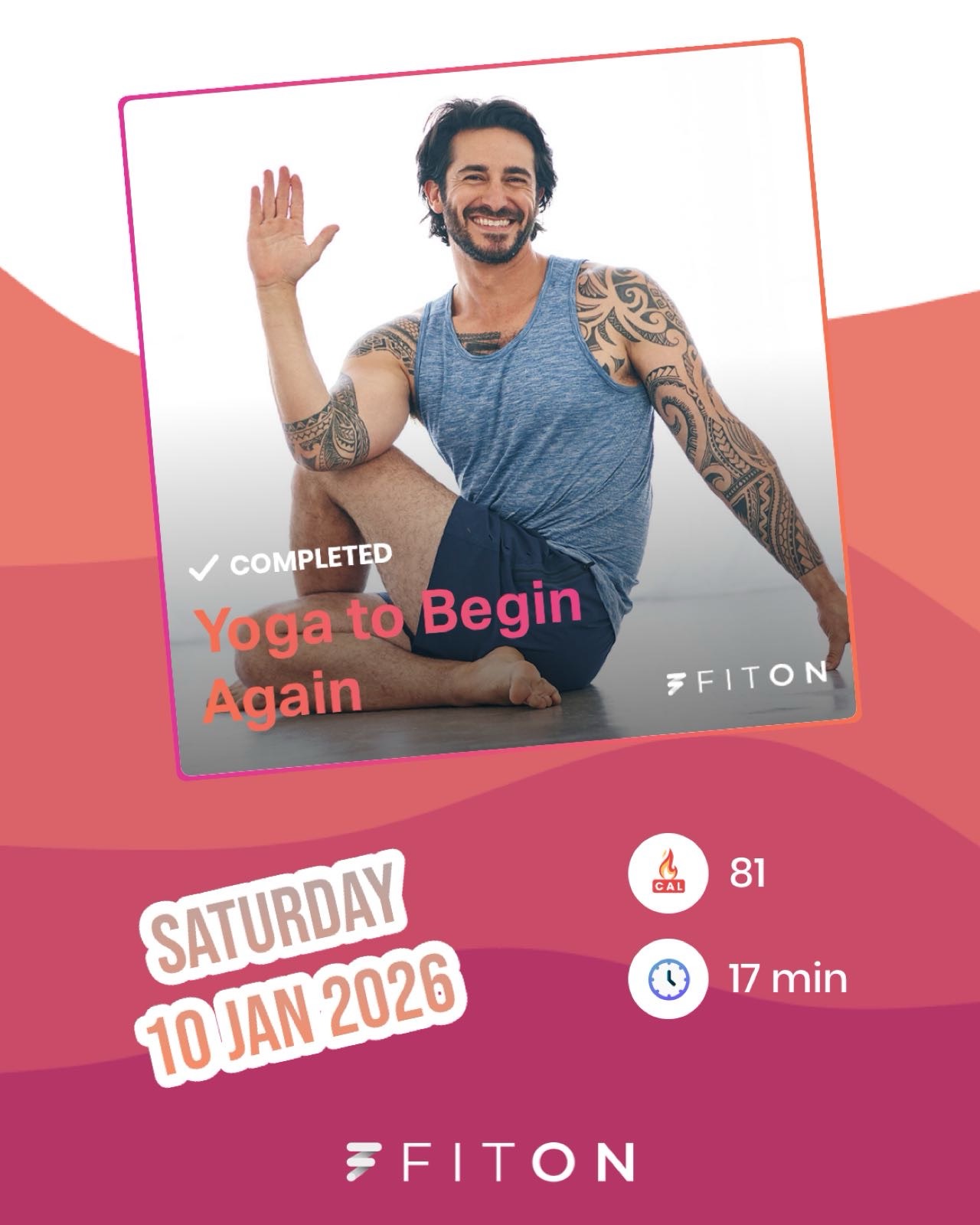
As the calendar turns and we welcome another year, I found myself drawn back to a yoga session that felt especially meaningful — not just as physical movement, but as a gentle invitation to reconnect with my intentions, breath, and presence.
What struck me most about this practice was the sentiment of renewal woven through every posture and pause. There was a quiet wisdom in the guidance: that every time we step onto our mats, we are offered a fresh beginning. A chance to let go of yesterday’s tension, to reset our minds, and to show up — fully — in the moment ahead.
🌊 More than Movement — a Mindset Shift
Often, we think of New Year’s resolutions as something that happens on one specific day, at one specific time. But this session reminded me that transformation isn’t a single moment — it’s a series of small, intentional choices.
Each breath in yoga became symbolic of that choice:
✨ Inhale — openness to possibility.
✨ Exhale — release of doubt or worry.
This rhythm, so simple yet profound, mirrored something deeper: the idea that every session — every breath — is an invitation to start anew.
🌸 Stretching More Than the Body
As we moved through the practice, the simple act of opening our palms became a quiet lesson in intention. As we open our palms, we not only gesture toward receiving love — but releasing it, too. It is a subtle reminder that energy is meant to move, not be held tightly.
The invitation extended beyond our hands and into every pose: to experience each movement as if it were the very first time. Not rushing ahead, not comparing, but truly listening — noticing how the body responds in that moment. How the muscles feel as they lengthen, where there is ease, and where there is resistance asking for patience rather than force.
When we stretch our muscles with awareness, something deeper happens. We begin to stretch our mindset too.
Just as tight muscles soften with breath and time, so can the strong opinions and fixed narratives we carry. Yoga gently asks us: What if we approached our beliefs the same way we approach a pose? With curiosity instead of certainty. With openness instead of expectation.
What might shift if we allowed ourselves to explore familiar positions — on the mat and in life — with fresh eyes? To notice where we are holding on unnecessarily, and where a little softness could create more space.
This practice becomes more than movement. It becomes a way of meeting the new year — and ourselves — with presence, compassion, and a willingness to begin again.
🌿 Seeing Each Practice as a Fresh Beginning
What does it mean to see your yoga session — or any mindful moment — as a chance to start over?
It means letting go of perfection — yesterday’s achievements and failures alike. It means bringing curiosity instead of judgment to each pose. And most of all, it means recognizing that progress isn’t linear — it’s compassionate, patient, and present.
When we treat each practice as a fresh beginning, we invite a gentle resilience into our days. We learn that growth doesn’t always roar — sometimes it whispers, in the quiet steadiness of breath and movement.
✨ Embracing a Year of Possibility
As we move through winter into spring, and through the many seasons of this year, I’ll return again and again to this idea: that flow isn’t just physical — it’s mental, emotional, and spiritual too.
This yoga session didn’t give me a list of goals — it gave me a deeper mindset:
🌿 Be here now.
🌿 Start again.
🌿 Breathe.
🌿 Repeat.
And in that simple cycle, I find my inspiration.
💛 A Gentle Beginning, Again and Again
Perhaps this is the quiet gift of yoga as we step into a new year: the reminder that we don’t need to get it right — we simply need to show up. Each time we come to the mat, we are offered another beginning. Another opportunity to listen, to soften, to open our palms and our perspectives.
When we allow each practice to feel like the first time — noticing the stretch of our muscles and the stories in our minds — we create space not just in the body, but in the way we move through life. Space to question long-held opinions, to meet ourselves with curiosity, and to let growth unfold naturally rather than forcefully.
This session on FitOn felt like a quiet invitation into that mindset: to start fresh without pressure, to flow without expectation, and to trust that small moments of presence are enough. Not a dramatic reset — just a gentle return to ourselves.
And maybe that’s all the new year is really asking of us:
to breathe, to begin again, and to find our flow — one moment at a time.
👉 If you’re looking for a gentle way to reset this season, this reflective yoga session on FitOn is a beautiful place to begin.
✨ Inspiration isn’t loud. Often, it doesn’t arrive with fanfare or flourish — it shows up in quiet moments of reflection, curiosity, and stillness.
Just like the gentle joy we seek in everyday life, it’s something to be noticed, welcomed, and savoured.
This week, I found myself lingering on one idea from James Clear’s 3-2-1 Thursday newsletter — one that feels especially kind and nourishing: not all thoughts deserve to be “drunk in.”
💧 Thoughts as Water
Imagine your mind like a cup. When rain falls, most of it simply washes past — it’s momentary, it shapes nothing, and it moves on. But when water collects in a cup, it becomes something you can drink — something that nourishes you. It stays with you, becomes part of you, and supports you from the inside out.
So often our days are full of passing thoughts — worries, comparisons, leftover to-dos — that feel important in the moment but leave us feeling heavier rather than lighter. What if, instead, we chose only those thoughts that feed us?
🌱 Choosing Nourishing Ideas
Inspired living doesn’t come from consuming more — it comes from choosing better. It comes from the small, intentional ways we invite what matters into our inner world, letting go of the rest with gentle curiosity and kindness.
This week, try these tiny invitations:
✨ Notice what you read or listen to — does it spark warmth, curiosity, clarity?
✨ Pause before you absorb a thought — is it nourishing, or just passing like rain?
✨ Allow inspiration to guide your next small action — a moment of reflection, a walk outside, a conversation that feels real.
🌼 A Gentle Reminder
You don’t need to overhaul your life to feel inspired. One idea, one insight, one meaningful thought can be enough to shift your perspective — just like a sip of water can quiet thirst.
Today, choose to drink in what nourishes you — the thoughts that uplift, the insights that encourage growth, and the reflections that gently guide you forward. In doing so, you make space for clarity, joy, and deeper wellbeing.
✨ May your week be filled with small, nourishing moments — and the kind of inspiration that feels like a breath of fresh air.
For more on our Find Your Inspiration pillar, click here.
At Find the Joy, I believe joy doesn’t wait for perfect moments — it lives in your everyday life when you choose to notice it. One of the most powerful choices you can make as a mum is this:
Finding time for you isn’t optional — it’s essential.
This idea is at the heart of our Find Time for You pillars — and wonderfully echoed in the FitOn article “A Letter to All Moms: It’s Ok To Take Time For You” which reminds mums everywhere that taking time for yourself isn’t selfish — it’s restorative and necessary.
“I’ll take time for myself when things get quieter…”
that’s a feeling many of us share.
But here’s the truth we explore in our Find Time for You pillars:
There is no perfect “later.”
There’s only now — and the intentional spaces you choose to create within your busy day.
That’s why finding time for you isn’t about adding more hours to your schedule. It’s about noticing the pockets of possibility already there — a few minutes before everyone wakes up, a short walk between chores, or simply sipping a warm drink while it’s still hot.
The FitOn article beautifully reinforces this point, encouraging mums to start small and notice how even brief moments of self-care can uplift your mood, soothe your mind, and help you show up more fully in your life and relationships.
Small Moments Have Big Power
In Find Time for You, we share simple, doable ideas like:
✨ Noticing your breath before the day begins
✨ Gentle movement or a quick stretch
✨ Quiet moments of stillness with your favourite drink
These aren’t big life changes — they’re tiny choices that help you reconnect with yourself so joy becomes easier to find.
And that’s exactly what the FitOn message affirms: self-care isn’t self-ish — it’s nurturing your ability to be present, calm, and connected.
You Don’t Need Permission — But Here It Is
🌸 You are allowed to take time for yourself — without guilt.
🌸 You are allowed to breathe.
🌸 You are allowed to slow down and be present.
Because finding time for you is how you create space for joy — not someplace you get to when life slows down, but right here, right now, within the life you’re living.
So today, consider this your gentle reminder:
💛 You deserve those moments just for you
💛 Intentional time fuels joy
💛 Small choices add up to big impact
When you Find the Joy, remember joy isn’t found when everything changes — joy is found when you take time to notice!
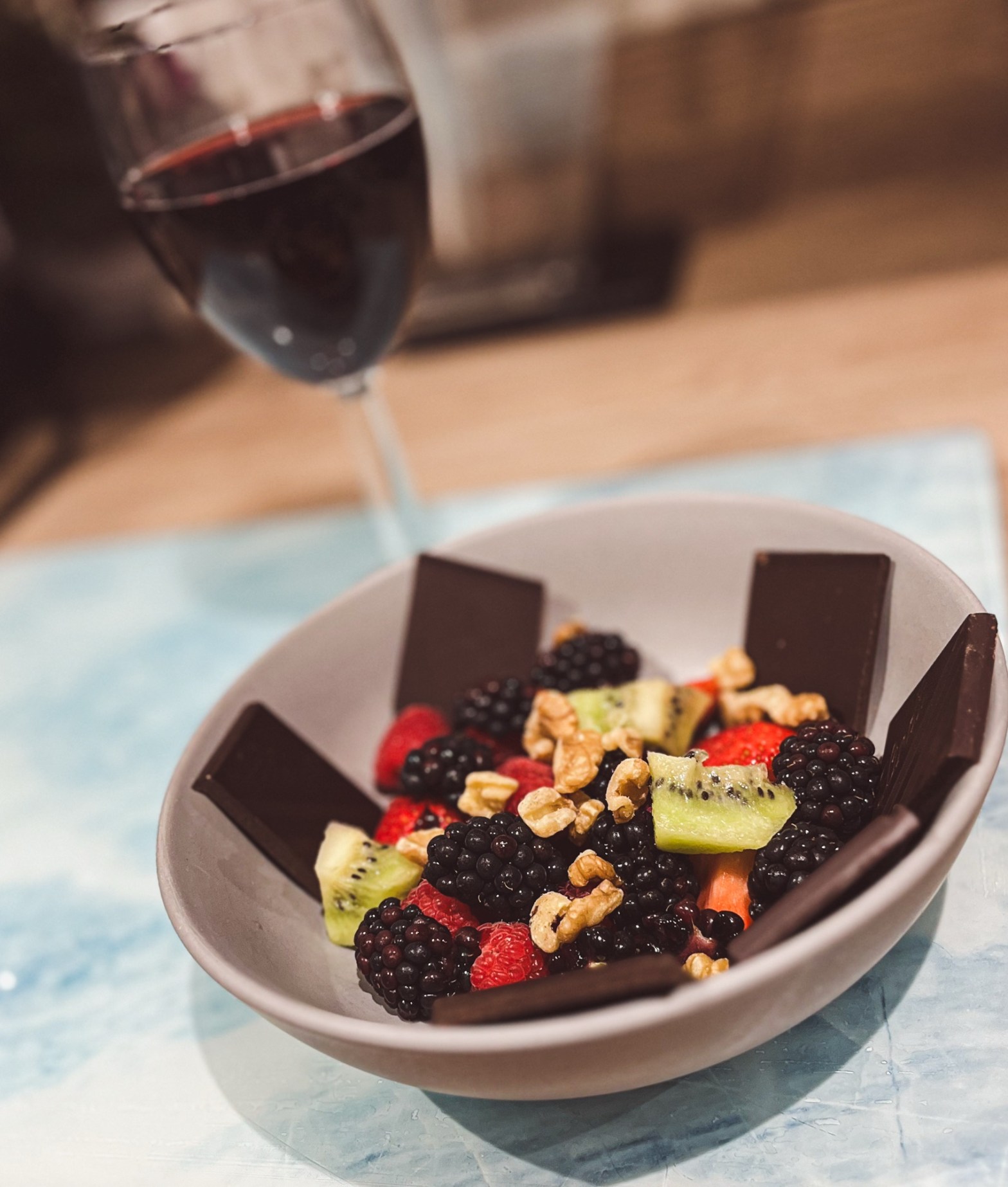
As someone who regularly follows Dr. Uma Naidoo’s Mood Food series, I’m always fascinated by the powerful links between nutrition and mental wellbeing. One of her most refreshing messages is that health-supportive eating doesn’t have to feel restrictive — in fact, some of the foods we love can actively support our brains and bodies.
Chocolate is one of them.
Here’s how.
🌱 What Makes Chocolate Healthy?
1. Rich in Powerful Plant Compounds
Cacao — the raw ingredient of chocolate — is rich in flavonoids and polyphenols, antioxidant compounds that combat oxidative stress and inflammation. These plant compounds help protect cells from damage and support overall wellness.
❤️ Heart Health and Circulation
One of the most studied benefits of dark chocolate is its potential impact on the cardiovascular system.
The flavonoids in dark chocolate may help improve blood flow, relax blood vessels, and lower blood pressure. Dark chocolate has been linked with better cholesterol profiles, including lower “bad” LDL cholesterol and higher “good” HDL cholesterol. Some research also suggests modest reductions in risk factors for cardiovascular diseases, especially when dark chocolate is consumed in moderation as part of a balanced diet.
🧠 Brain Health & Mood Support
Chocolate isn’t just about pleasure — it can also support your brain.
The flavanols in cacao may increase blood flow to the brain, potentially improving memory, attention, and cognitive function. Compounds like theobromine and small amounts of caffeine may help with alertness and focus. Chocolate also triggers the release of feel-good neurotransmitters and contains micronutrients (like magnesium) that can influence mood and stress.
🩸 Diabetes & Metabolic Health
Moderate dark chocolate intake has been linked with improved insulin sensitivity and a lower risk of type 2 diabetes in some large observational studies — effects thought to be related to flavonoid content.
🧬 Emerging Science: Aging and DNA Health
Some recent research highlights a fascinating association between theobromine levels (a compound richly present in dark chocolate) and markers of biological aging. Individuals with higher theobromine tended to show signs of slower cellular aging — although this is early research and not a justification to eat chocolate indiscriminately.
🍫 How to Choose & Enjoy Chocolate the Healthy Way
Not all chocolate is created equal. Here’s how to get the most benefit:
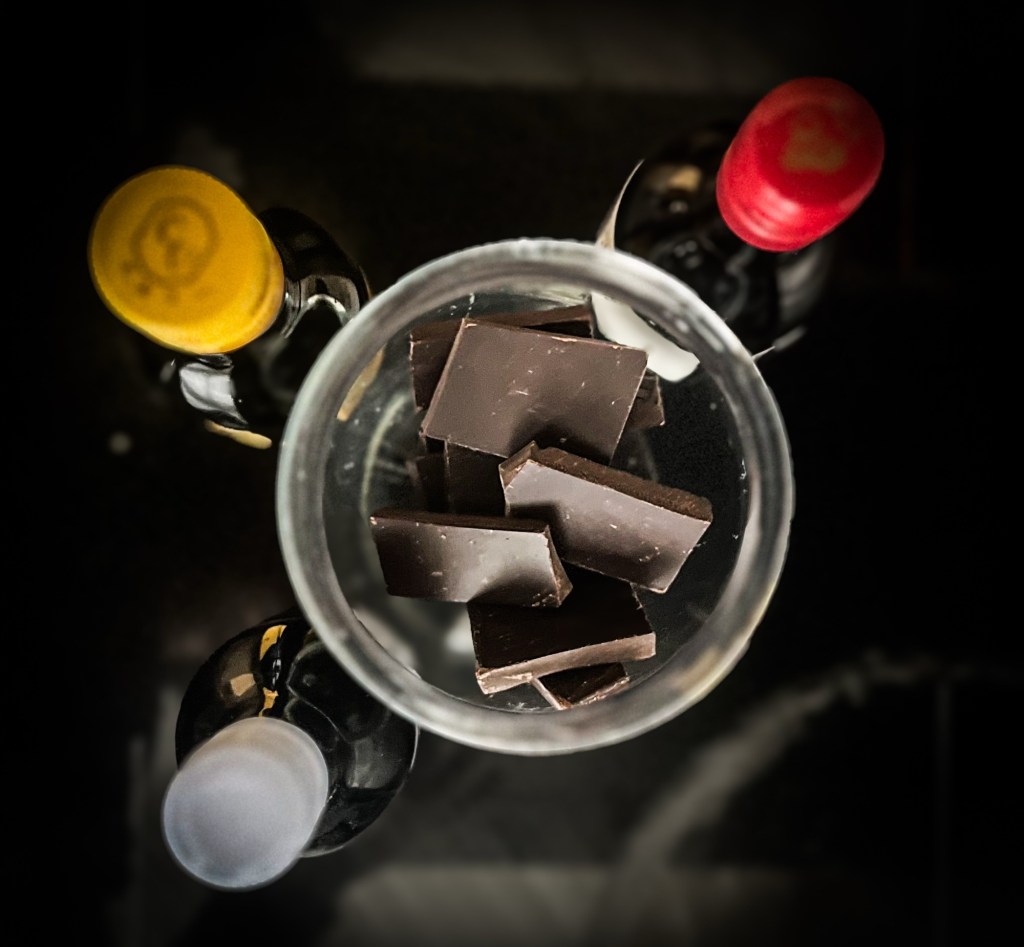
✔ Go for high-cocoa dark chocolate (70% or more) — richer in flavonoids and lower in added sugars.
✔ Enjoy small portions mindfully — a square or two can satisfy cravings without excess calories.
✔ Watch added ingredients — minimal additives and less sugar help maximise health potential.
✔ Pair with balanced meals — chocolate isn’t a superfood on its own but can be part of a health-supportive pattern.
⚠️ A Note on Moderation
Even healthy dark chocolate is energy-dense — meaning calories, fat, and sugar can add up quickly if you’re not mindful. White chocolate and many milk chocolates lack the beneficial polyphenols that dark chocolate provides, so they don’t offer the same potential benefits.
🍃 Bottom Line
Dr. Uma’s Mood Food approach reminds us that nourishment is about more than nutrients — it’s about pleasure, connection, and sustainability. Chocolate, especially dark chocolate rich in cacao, beautifully embodies this philosophy.
When enjoyed intentionally, it can support mood, brain health, heart health, and even our relationship with food itself. A small square, eaten mindfully, can be both comforting and clinically meaningful.
Every New Year, millions of us swear we’ll fix something about ourselves — lose weight, be more productive, stop procrastinating. But what if the real work isn’t about fixing who you are?
What if it’s about finding yourself again — your values, your identity, the parts of you that got buried under expectations, pressure, and constant “self-improvement”?
This week, I found myself reflecting on the January 1st edition of James Clear’s 3-2-1 newsletter, a weekly series I regularly return to for inspiration and perspective:
So much personal development language assumes we’re broken.
Fix your habits.
Fix your mindset.
Fix your productivity.
But James Clear offers a quieter, more compassionate reframe: lasting change doesn’t start with goals — it starts with identity.
Goals tell you what you want.
Identity shapes who you become.
And when you skip the identity part, even the best goals struggle to stick.
Identity Is About Remembering, Not Reinventing
One idea from the 3-2-1 series that always stays with me is this:
New goals don’t create new results. New lifestyles do.
That matters because lifestyles are lived by people — not projects.
When we obsess over outcomes, we often lose ourselves in the process. But when we focus on identity, we begin to remember who we are rather than constantly trying to become someone else.
Instead of:
“I need to read more” “I need to be healthier” “I need to be more disciplined”
The shift becomes:
I’m a reader I care for my body I show up for myself
Each small habit becomes a quiet vote for your identity.
Finding Yourself Through Small Choices
This is why I’m drawn to James Clear’s work — and why I revisit the 3-2-1 newsletter each week. It doesn’t shout instructions. It offers reflection.
Finding yourself doesn’t happen through massive overhauls. It happens through small, honest moments:
Choosing what aligns with you today Letting go of habits that no longer reflect who you are Creating space to notice what brings you calm, joy, and meaning
You’re not fixing flaws — you’re reconnecting with your values.
A Question Worth Sitting With
Each edition of the 3-2-1 newsletter ends with a question. This week’s feels especially fitting as a new year begins:
If you met your 80-year-old self today, what would they beg you to stop postponing?
That question isn’t about productivity.
It’s about identity.
It’s about remembering what matters before another year slips by.
Why I Share These Reflections Weekly
I often look to James Clear’s 3-2-1 newsletter as a starting point — not for answers, but for awareness. Each week, it offers a small pause in the noise, a reminder that growth doesn’t have to be harsh to be effective.
If you’d like to explore the original inspiration behind this post, you can read the full newsletter here:








 From the I am app: