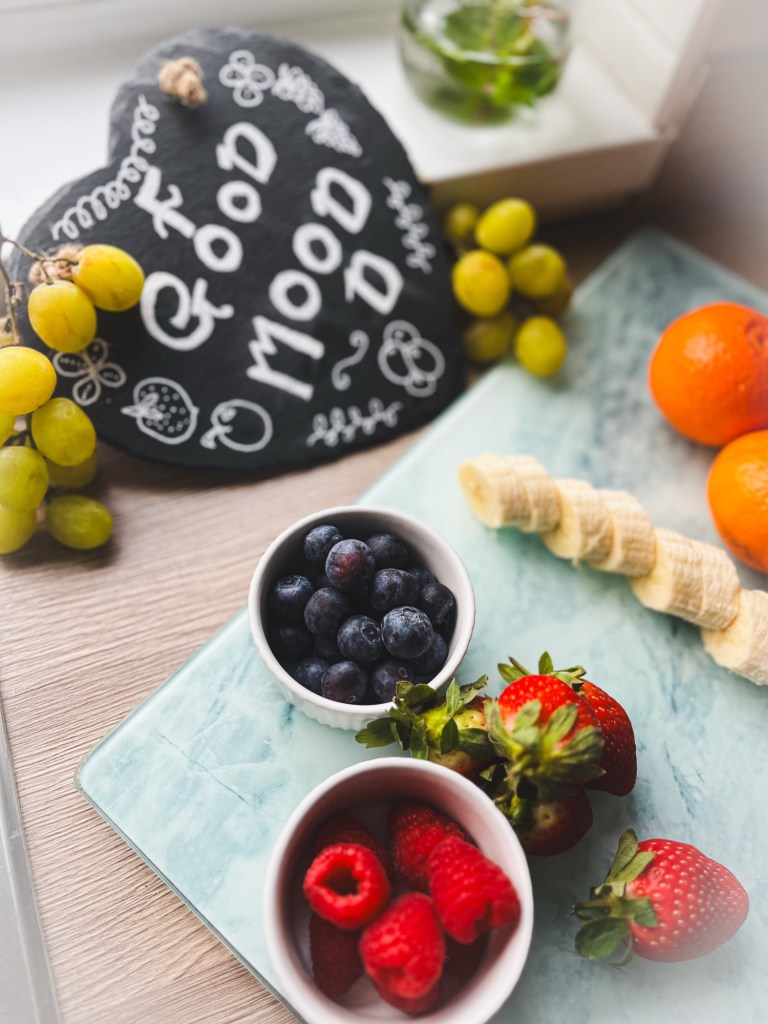
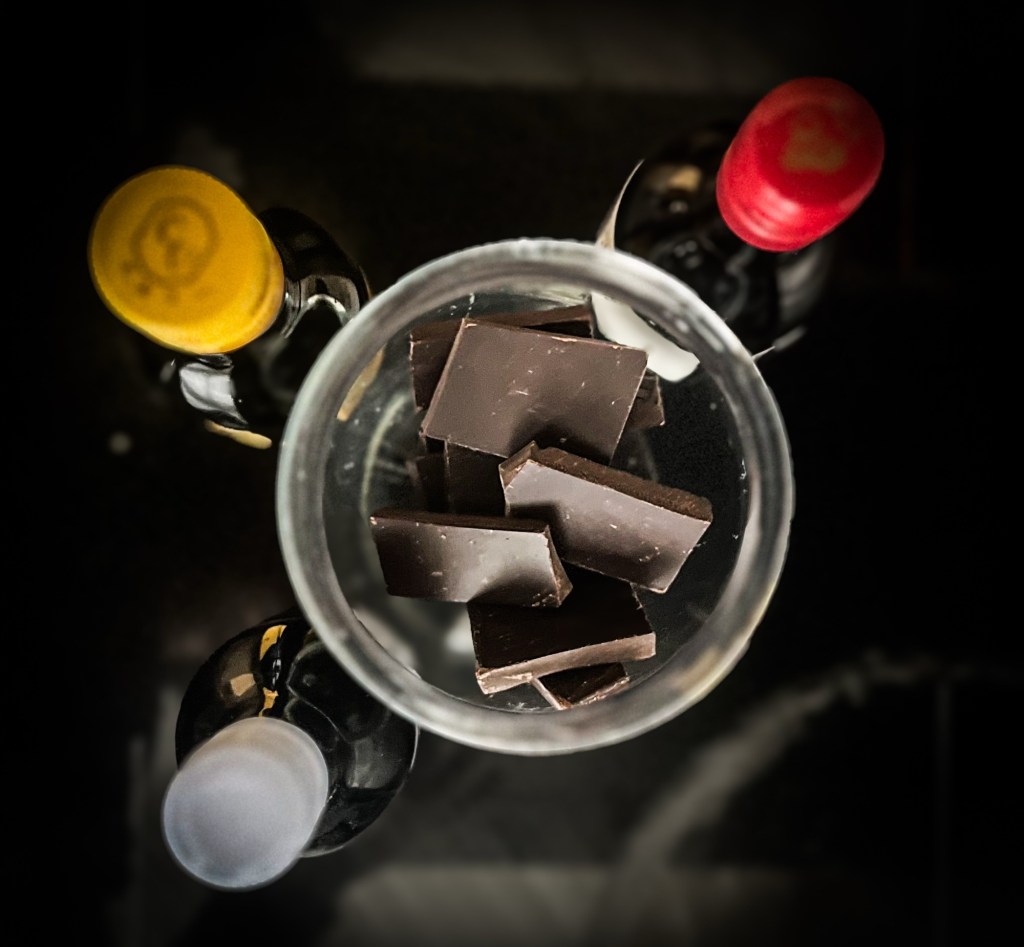
Yes — Chocolate Can Be Healthy (When You Choose & Eat It the Right Way)

As someone who regularly follows Dr. Uma Naidoo’s Mood Food series, I’m always fascinated by the powerful links between nutrition and mental wellbeing. One of her most refreshing messages is that health-supportive eating doesn’t have to feel restrictive — in fact, some of the foods we love can actively support our brains and bodies.

Chocolate is one of them.

Here’s how. 

🌱 What Makes Chocolate Healthy?

1. Rich in Powerful Plant Compounds

Cacao — the raw ingredient of chocolate — is rich in flavonoids and polyphenols, antioxidant compounds that combat oxidative stress and inflammation. These plant compounds help protect cells from damage and support overall wellness. 

❤️ Heart Health and Circulation

One of the most studied benefits of dark chocolate is its potential impact on the cardiovascular system.

The flavonoids in dark chocolate may help improve blood flow, relax blood vessels, and lower blood pressure.  Dark chocolate has been linked with better cholesterol profiles, including lower “bad” LDL cholesterol and higher “good” HDL cholesterol.  Some research also suggests modest reductions in risk factors for cardiovascular diseases, especially when dark chocolate is consumed in moderation as part of a balanced diet. 

🧠 Brain Health & Mood Support

Chocolate isn’t just about pleasure — it can also support your brain.

The flavanols in cacao may increase blood flow to the brain, potentially improving memory, attention, and cognitive function.  Compounds like theobromine and small amounts of caffeine may help with alertness and focus.  Chocolate also triggers the release of feel-good neurotransmitters and contains micronutrients (like magnesium) that can influence mood and stress. 

🩸 Diabetes & Metabolic Health

Moderate dark chocolate intake has been linked with improved insulin sensitivity and a lower risk of type 2 diabetes in some large observational studies — effects thought to be related to flavonoid content. 

🧬 Emerging Science: Aging and DNA Health

Some recent research highlights a fascinating association between theobromine levels (a compound richly present in dark chocolate) and markers of biological aging. Individuals with higher theobromine tended to show signs of slower cellular aging — although this is early research and not a justification to eat chocolate indiscriminately. 

🍫 How to Choose & Enjoy Chocolate the Healthy Way

Not all chocolate is created equal. Here’s how to get the most benefit:

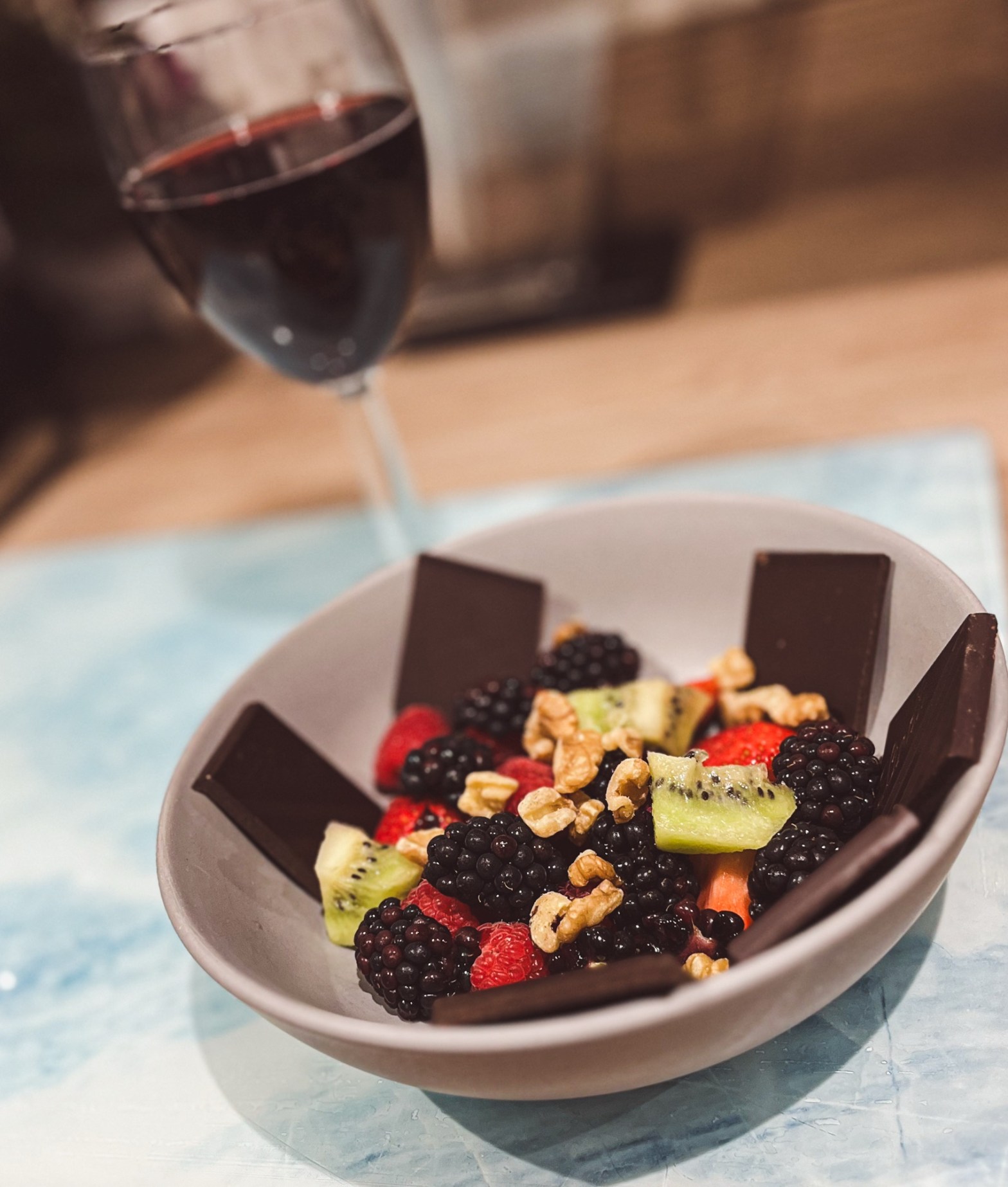
✔ Go for high-cocoa dark chocolate (70% or more) — richer in flavonoids and lower in added sugars. 

✔ Enjoy small portions mindfully — a square or two can satisfy cravings without excess calories.

✔ Watch added ingredients — minimal additives and less sugar help maximise health potential.

✔ Pair with balanced meals — chocolate isn’t a superfood on its own but can be part of a health-supportive pattern.

⚠️ A Note on Moderation

Even healthy dark chocolate is energy-dense — meaning calories, fat, and sugar can add up quickly if you’re not mindful. White chocolate and many milk chocolates lack the beneficial polyphenols that dark chocolate provides, so they don’t offer the same potential benefits. 

🍃 Bottom Line

Dr. Uma’s Mood Food approach reminds us that nourishment is about more than nutrients — it’s about pleasure, connection, and sustainability. Chocolate, especially dark chocolate rich in cacao, beautifully embodies this philosophy.

When enjoyed intentionally, it can support mood, brain health, heart health, and even our relationship with food itself. A small square, eaten mindfully, can be both comforting and clinically meaningful.

Now that’s something worth savouring. 🍫✨

Good Food, Good Mood


How to Rediscover Yourself — James Clear

Every New Year, millions of us swear we’ll fix something about ourselves — lose weight, be more productive, stop procrastinating. But what if the real work isn’t about fixing who you are?

What if it’s about finding yourself again — your values, your identity, the parts of you that got buried under expectations, pressure, and constant “self-improvement”?

This week, I found myself reflecting on the January 1st edition of James Clear’s 3-2-1 newsletter, a weekly series I regularly return to for inspiration and perspective:

👉 https://jamesclear.com/3-2-1/january-1-2026

Why “Fixing Yourself” Rarely Works

So much personal development language assumes we’re broken.

Fix your habits.

Fix your mindset.

Fix your productivity.

But James Clear offers a quieter, more compassionate reframe: lasting change doesn’t start with goals — it starts with identity.

Goals tell you what you want.

Identity shapes who you become.

And when you skip the identity part, even the best goals struggle to stick.

Identity Is About Remembering, Not Reinventing

One idea from the 3-2-1 series that always stays with me is this:

New goals don’t create new results. New lifestyles do.

That matters because lifestyles are lived by people — not projects.

When we obsess over outcomes, we often lose ourselves in the process. But when we focus on identity, we begin to remember who we are rather than constantly trying to become someone else.

Instead of:

“I need to read more” “I need to be healthier” “I need to be more disciplined”

The shift becomes:

I’m a reader I care for my body I show up for myself

Each small habit becomes a quiet vote for your identity.

Finding Yourself Through Small Choices

This is why I’m drawn to James Clear’s work — and why I revisit the 3-2-1 newsletter each week. It doesn’t shout instructions. It offers reflection.

Finding yourself doesn’t happen through massive overhauls. It happens through small, honest moments:

Choosing what aligns with you today Letting go of habits that no longer reflect who you are Creating space to notice what brings you calm, joy, and meaning

You’re not fixing flaws — you’re reconnecting with your values.

A Question Worth Sitting With

Each edition of the 3-2-1 newsletter ends with a question. This week’s feels especially fitting as a new year begins:

If you met your 80-year-old self today, what would they beg you to stop postponing?

That question isn’t about productivity.

It’s about identity.

It’s about remembering what matters before another year slips by.

Why I Share These Reflections Weekly

I often look to James Clear’s 3-2-1 newsletter as a starting point — not for answers, but for awareness. Each week, it offers a small pause in the noise, a reminder that growth doesn’t have to be harsh to be effective.

If you’d like to explore the original inspiration behind this post, you can read the full newsletter here:

👉 https://jamesclear.com/3-2-1/january-1-2026

For me, this is part of finding the joy — not chasing a better version of myself, but choosing to live in alignment with who I already am becoming.

A Gentler New Year: Finding the Joy, One Small Choice at a Time

The start of a new year often arrives with noise — resolutions, pressure, and promises to be more, do more, change everything.

👉 But what if this year didn’t need fixing?

At Find the Joy, I believe the New Year can be an invitation to Find Time for You, rather than a demand for perfection — a chance to pause, reflect, and gently ask:

What would help me feel a little better, a little calmer, a little more myself?

That question sits at the heart of Find the Joy — a space created to support women who give so much of themselves every day, and who deserve to stay self-well for life.

🌿 Finding a Healthier You (Without the Overwhelm)

One of the core pillars of Find the Joy is Find a Healthier You — not through restriction or rigid plans, but through nourishment, balance, and kindness.

Food is often where January focus lands, and understandably so. What we eat affects our energy, our mood, and how we move through our days. But instead of cutting things out, I encourage a gentler shift — adding in what supports you.


🧠 Good Food, Good Mood

I’m proud to be a Good Food, Good Mood Ambassador, because I’ve seen first-hand how food can support not just physical health, but emotional wellbeing too.

Nutritional psychiatrist Dr Uma Naidoo speaks widely about the connection between the food we eat, our gut health, and our mood — highlighting how whole, nutrient-rich foods can support emotional balance, focus, and resilience.

👉 Food isn’t just fuel — it’s information for your body and your brain.

Good Food, Good Mood

🌈 Eat the Rainbow: A Simple Place to Start

One of my favourite ways to support health (without complexity) is rainbow eating.

Eating a variety of colourful fruits and vegetables helps ensure you’re getting a wide range of nutrients — naturally and intuitively. It’s not about perfection or expensive ingredients, just small, joyful choices:

🍓 Bright berries and citrus fruits for antioxidants

🥦 Leafy greens for minerals and folate

🥕 Orange vegetables like carrots and squash for energy and immunity

🌱 Beans, lentils, seeds, and whole grains for fibre and steady blood sugar

🌈 Adding colour to your plate often adds joy too — and joy matters.


🌸 Nourishment Beyond the Plate

Health isn’t only about what we eat. It’s about how we live.

That’s why Find the Joy is built around Finding Time for You; a set of gentle, supportive pillars that work together for you:

🌿 Find a Healthier You – nourishing food and supportive habits

🌊 Find Your Flow – movement that feels good, not punishing

✨ Find Your Inspiration – books, voices, and ideas that uplift

🎨 Find You in Creativity – reconnecting with play and expression

🏠 Find Your Space Again – balance, boundaries, and breathing room

Together, the Find Time for You pillars offer a more sustainable way to feel well — especially for women juggling work, home, and caring for others.


A Different Kind of New Year Intention

This year, instead of resolutions, what if you chose support?

Instead of pressure, you chose permission?

Instead of “doing better,” you focused on feeling better?

Find the Joy is here to walk alongside you — with gentle encouragement, practical ideas, and reminders that well-being doesn’t need to be complicated to be powerful.

👉 Join Find the Joy

If this message resonates with you, I’d love for you to join the Find the Joy community.

Explore the pillars, read along with the blog, and take what you need — whether that’s inspiration, nourishment, creativity, or simply permission to slow down. Find the Joy is a space where small steps are celebrated, and where your well-being matters too.

✨ Here’s to a New Year filled with nourishment, balance, and moments of joy — one gentle choice at a time.

Find Time for You

S’more’s Cookies as as New Year’s Eve Treat – A family favourite recipe – Eat Bird Food

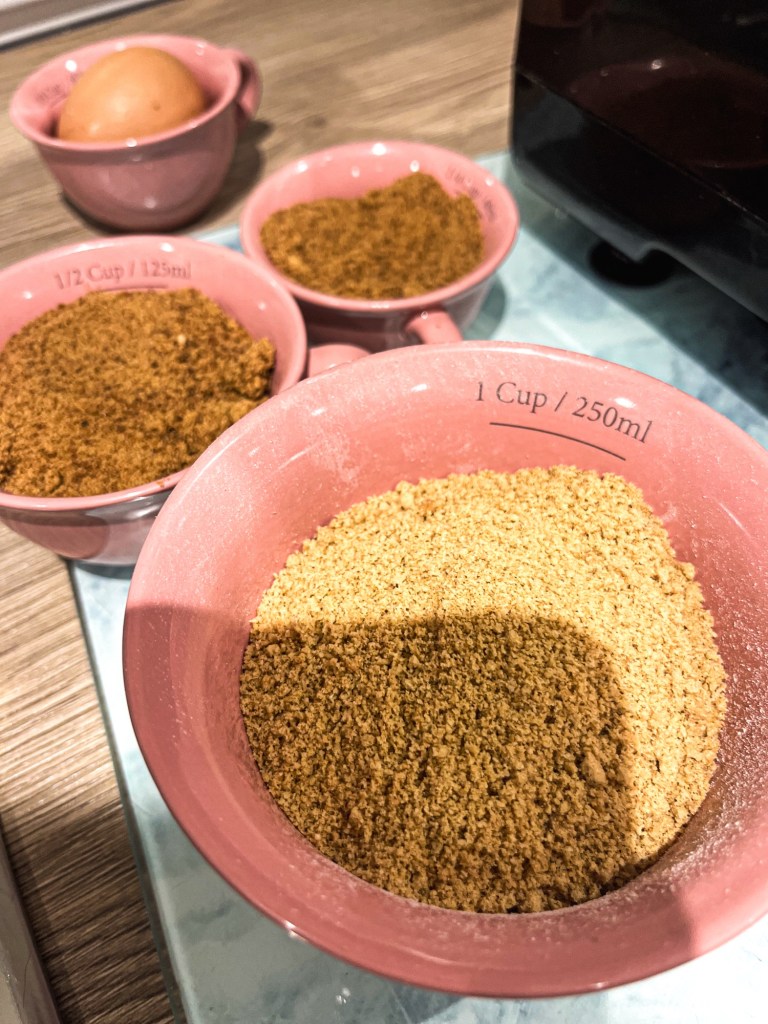
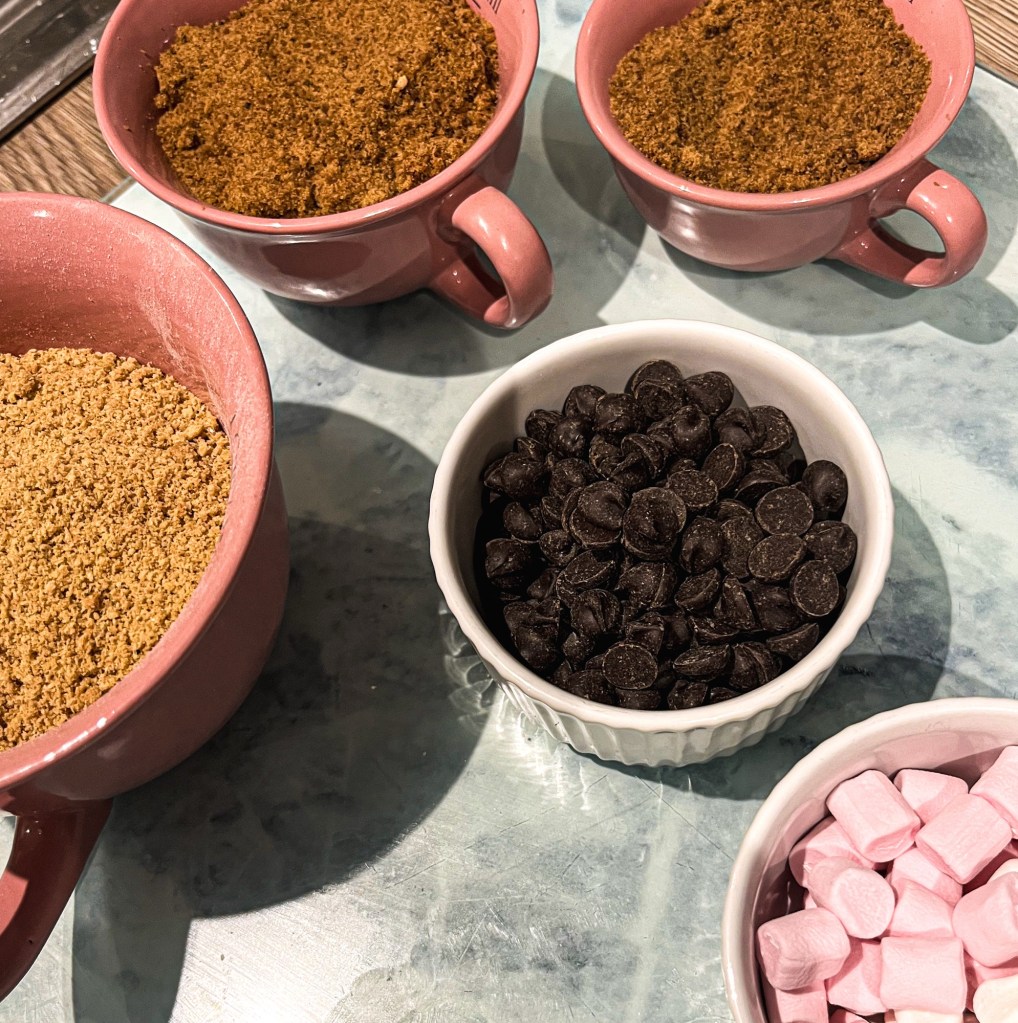
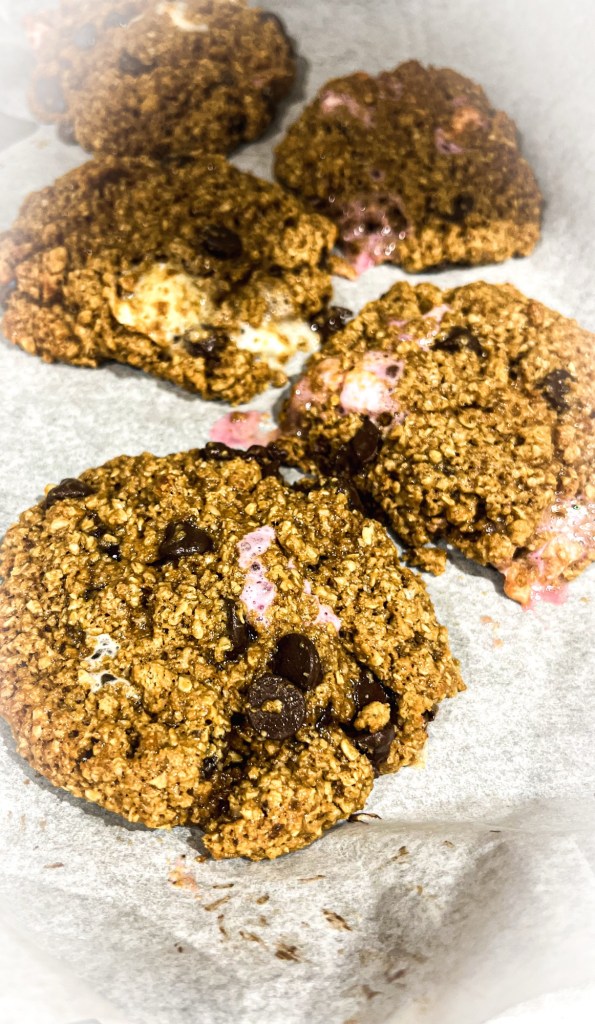
There are certain foods in our family that instantly bring joy — not just because they taste amazing, but because of the memories we make around them. This year, as part of our New Year’s Eve celebrations, we baked a batch of Smores Cookies from Eating Bird Food and they were an absolute hit!

Whether you’re welcoming the New Year with loved ones or just looking for a delicious treat, these cookies are a must-try. Even better? With ingredients like oat flour and coconut oil, they feel just that little bit more wholesome without sacrificing any flavour.

➡️ Original recipe from Eating Bird Food: https://www.eatingbirdfood.com/smores-cookies/

🍪 What Makes These Cookies So Special

These aren’t your average sweet treat — they’re a perfect blend of gooey marshmallow, melty chocolate, toasty edges, and a comforting oat base. But beyond their irresistible flavour, there’s something to be said about the ingredients that make them nourishing as well.

🌾 Oat Flour – A Heartier Base

Instead of using just refined white flour, this recipe relies on oat flour (which you can make at home by blitzing oats until fine). Oat flour offers:

More fibre than traditional all-purpose flour

A gentle, slow-digesting carbohydrate that helps keep you full

A naturally nutty flavour that pairs beautifully with chocolate and marshmallow

Oats also contain plant compounds called beta-glucans, which have been linked with heart health and balanced blood sugar levels

👉 — a lovely bonus in such a delicious cookie!

🥥 Coconut Oil – A Healthier Fat Swap

Coconut oil is the fat used in these cookies, and for good reason:

It adds moisture and chewiness to baked goods

It’s plant-based and dairy-free (perfect for many dietary preferences)

It provides a subtle, warm flavour that complements chocolate perfectly

Coconut oil contains medium-chain triglycerides (MCTs), which are easily digested and can be used by the body as quick energy

👉 — making your New Year’s Eve treat feel just a bit more nourishing.

🍫 The Good Stuff — Chocolate + Marshmallow

Okay, let’s be honest: the real fun in these cookies comes from the gooey marshmallow and melty chocolate. But pairing these with oat flour and coconut oil means you’re balancing indulgence with intention — something I always love bringing into celebrations.

It’s a reminder that food can be both joyful and thoughtful, without needing to choose one or the other.

🎉 How We Enjoyed Them

We baked these cookies on New Year’s Eve as part of our family celebrations, and watching everyone reach for seconds felt like a small but meaningful moment of shared joy. Soft centres, toasty edges, and big smiles all around… what better way to ring in a new year?

Pair these with a cosy drink, slow conversation, and your favourite people — and you’ve got a recipe for joy.

🍽️ Final Thoughts

Delicious, comforting, and just a little bit special — these Smores Cookies remind me why baking together is one of life’s simple joys. With ingredients like oat flour and coconut oil, we get the best of both worlds: sweetness that feels intentional and memories that last.

Curious to try them yourself? You can find the full recipe over at Eating Bird Food — the link is above. And if you make them, I’d love to hear how your family enjoyed them too! 💛

Strawberry-Blueberry-Raspberry Banana Smoothie Overnight Oats

A Joyful, Nourishing Breakfast (with a Fruity Smoothie Twist)

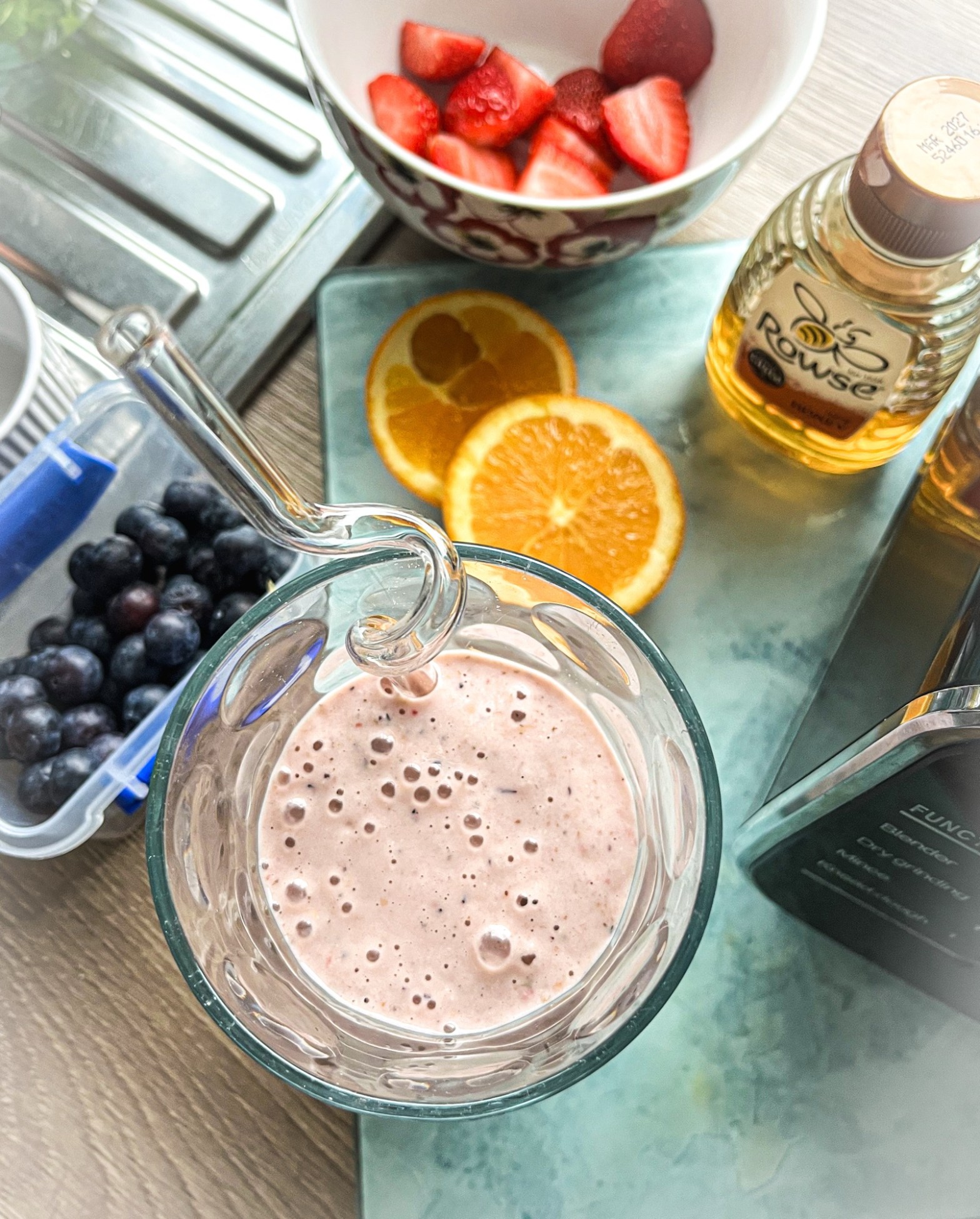
If you loved the simplicity of low-calorie overnight oats, you’ll really enjoy this delicious twist — a breakfast smoothie overnight oats bowl that blends all your favourite fruits into a creamy, nutrient-packed start to the day. Inspired by the simple, flexible method from Eating Bird Food, this version adds the natural sweetness and bright flavours of strawberries, blueberries, raspberries, banana and fresh orange — turning a wholesome classic into something that feels fresh, joyful and vibrant every morning.

Why This Works

Classic overnight oats are loved because they’re quick to prepare, easy to customise and perfect for busy mornings. Just combine oats, milk and any add-ins the night before and wake up to breakfast that’s ready to enjoy — great for meal prep and fuel on the go.

But by turning them into a smoothie-style oats, you get:

✨ Extra hydration and creaminess, perfect for summer or lighter breakfasts

✨ More fruit goodness blended into every spoonful

✨ A balance of carbohydrates, fibre and fruit-based micronutrients that help keep energy steady through the morning

One of the things I love creamy, fruit-packed breakfast smoothie.

It’s a gentle, nourishing way to begin the day and perfect if you enjoy smoothies but still want the staying power of oats.

🥣 Overnight Oats Base (Prep the Night Before)

Ingredients

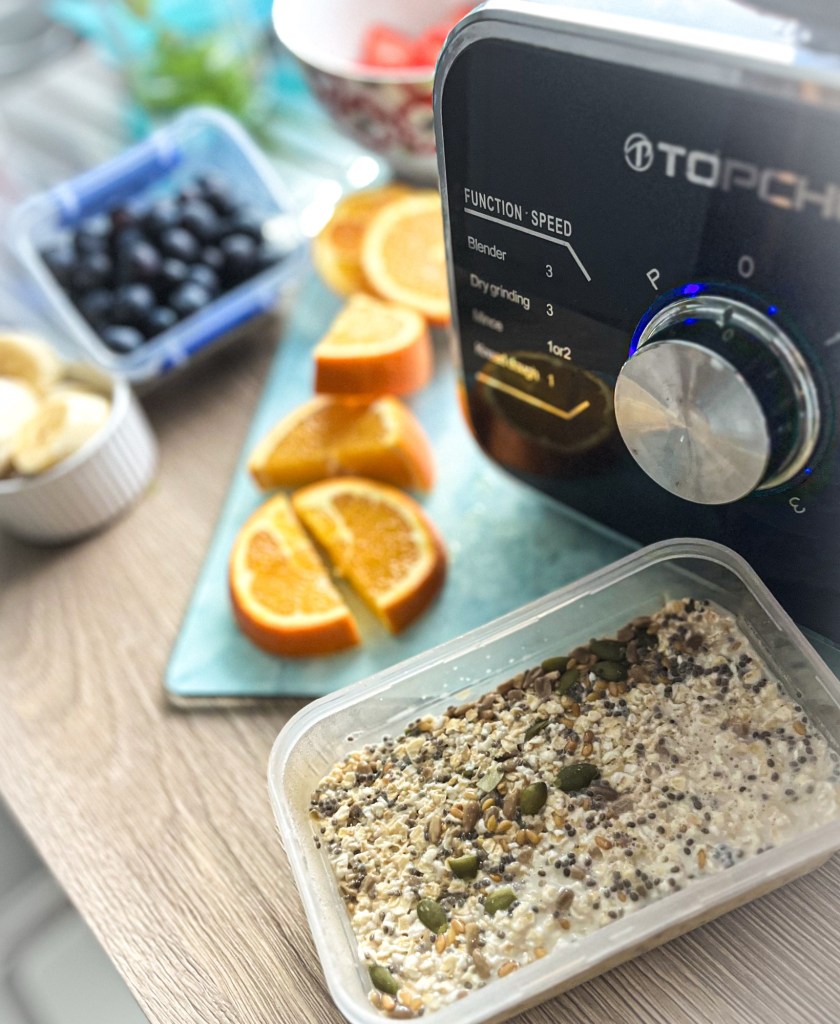
1/3 cup rolled oats 1/2 cup unsweetened almond or cashew milk 1 tablespoon chia seeds

Method

Add the oats, milk and chia seeds to a jar or bowl. Stir well, cover, and place in the fridge overnight. By morning, the oats will have softened and thickened, creating a creamy base.

Allowing the oats to soak overnight makes them easier to digest and gives the smoothie a naturally thick, satisfying texture.

🍓 Morning Smoothie Blend

Ingredients

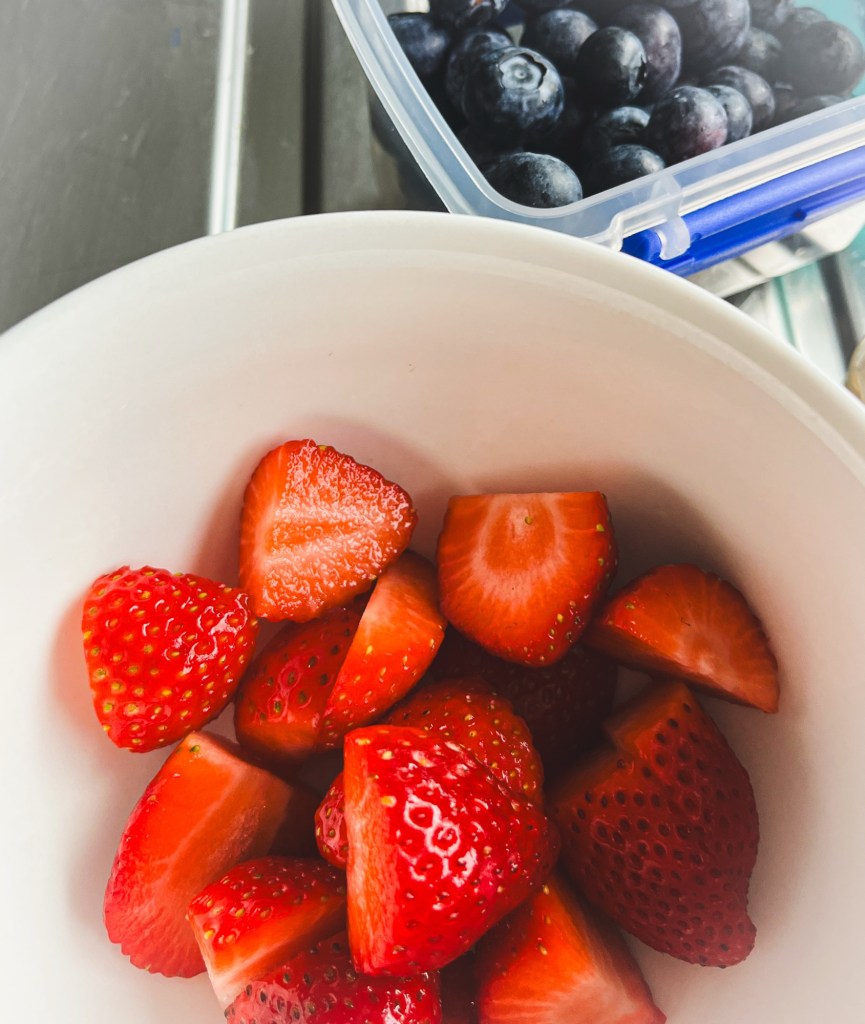
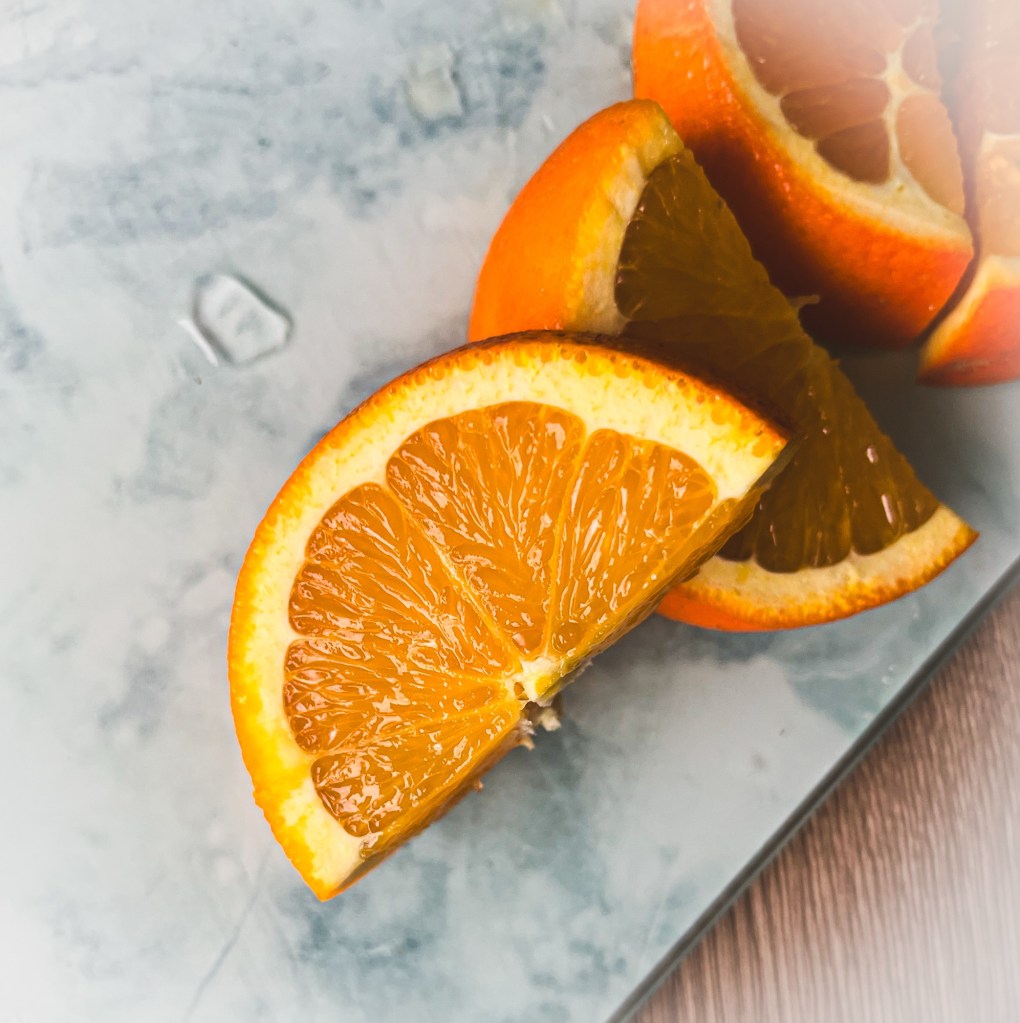
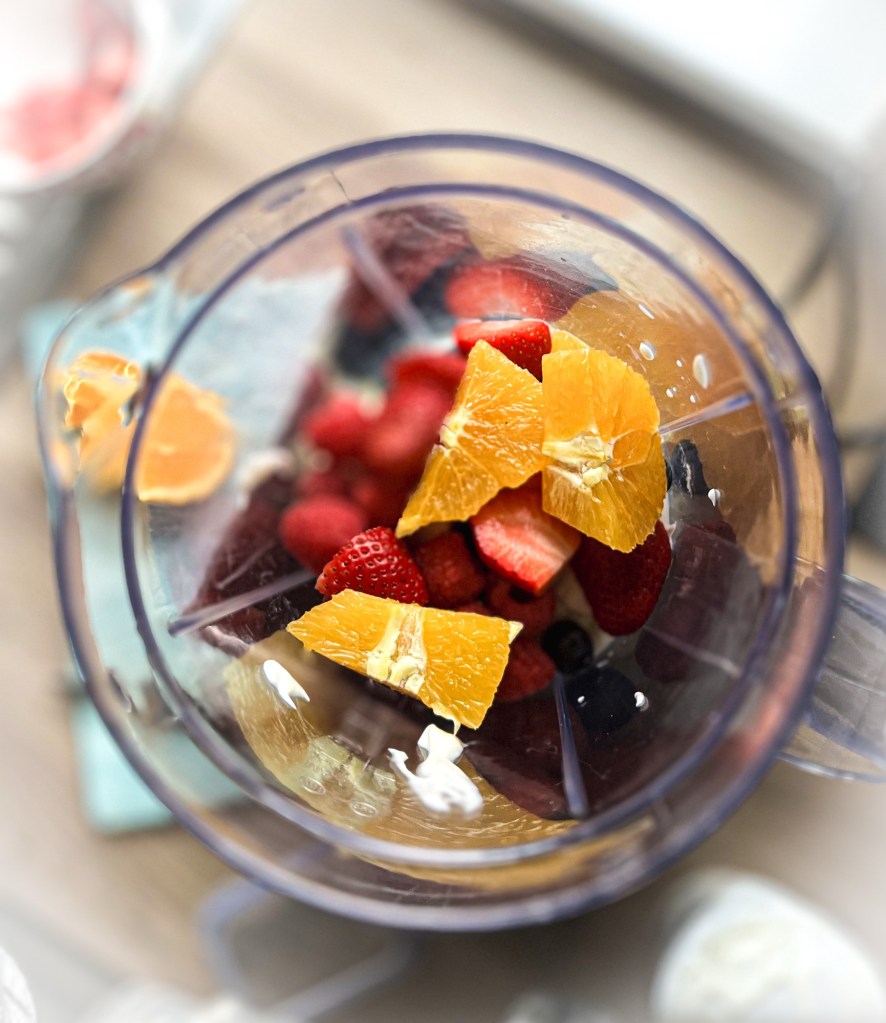
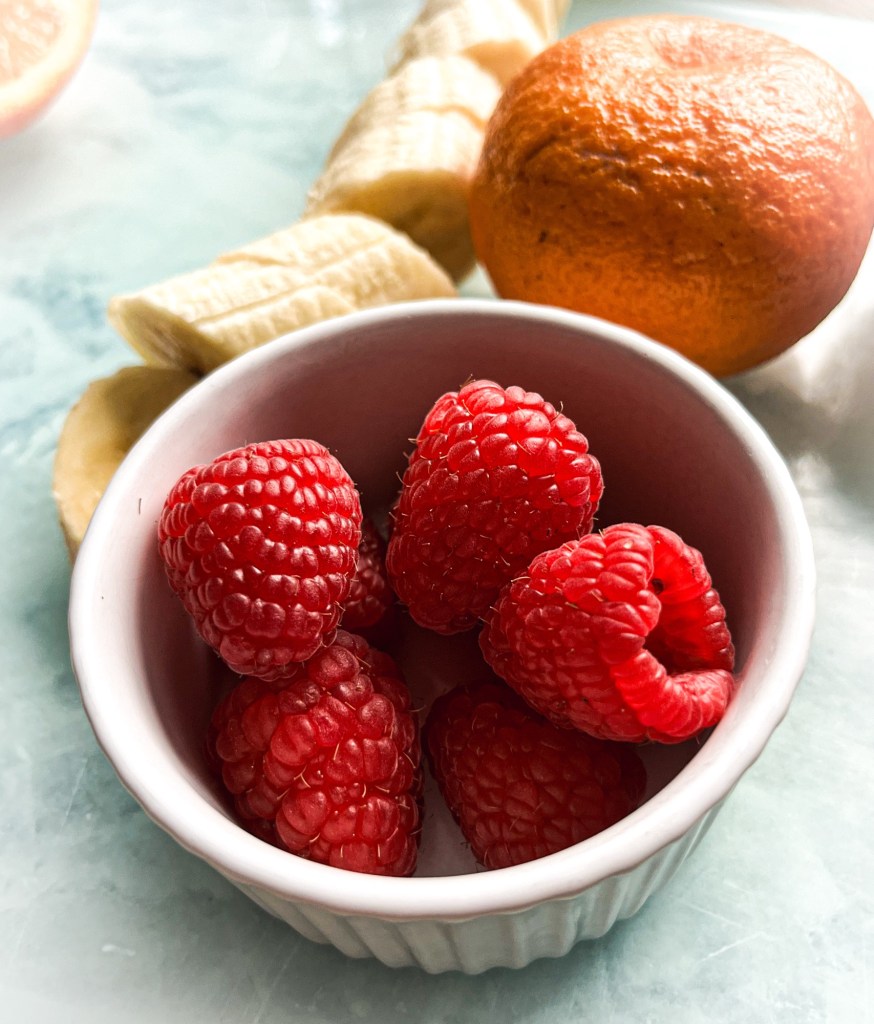
Prepared overnight oats (from above) 1 small banana Strawberries Blueberries Raspberries Juice of ½ an orange A splash of milk or water (to loosen, if needed)

Method

Add the overnight oats to a blender. Add the banana, berries and orange juice. Blend until smooth and creamy. Adjust thickness with a little extra milk or water if needed. Pour into a glass or bowl and enjoy straight away.

🧠 Health Benefits — Why This Breakfast is So Good

🍓 Oats

Oats are naturally high in soluble fibre, which helps slow digestion and keeps you feeling full longer. They’re also linked with stable blood sugar levels and heart health due to their beta-glucan content.

🍌 Banana

Bananas are a great source of potassium, which supports healthy blood pressure and muscle function, plus natural sugars for quick energy.

🍊 Berries (Strawberries, Blueberries, Raspberries)

These fruits are loaded with vitamin C and antioxidants, which help protect cells from oxidative stress and may support immune health and skin wellbeing. They also contribute fibre to support digestion.

🍊 Orange Juice

Fresh orange juice adds additional vitamin C and a hint of citrus brightness that pairs beautifully with berries. Vitamin C is essential for collagen production and immune function.

🌱 Chia Seeds

Chia seeds are a small powerhouse — they’re rich in fibre, omega-3 fatty acids, and plant protein, helping to support digestion and sustained energy throughout the morning.

Together, these ingredients create a breakfast that’s hydrating, nourishing and naturally sweet, without feeling heavy.

🍯 Tips & Variations

Extra protein: Stir in a spoonful of yogurt or your favourite protein powder. Spice it up: A dash of cinnamon or vanilla adds warmth and depth. Make it sweeter: Add a teaspoon of honey or maple syrup if you prefer it sweeter (optional).

Smoothie overnight oats are a wonderful way to combine the best of both worlds — the convenience of make-ahead oats and the fresh flavour and nutrients of a blended fruit breakfast. Whether you’re rushing out the door or gently easing into your day, this idea brings joy, colour and nourishment to the morning. 🌿

✨ A Joyful Morning Ritual

Preparing the oats the night before makes mornings feel calmer and more intentional. Blending them into a smoothie adds a fresh, joyful element — perfect for warmer days or when you want something light but sustaining.

This overnight oats smoothie feels like a small act of care — one that fits beautifully into a Find the Joy approach to everyday living 🌿

Mostly Veggies Cookbook Review: Finding Joy in Nourishing Food

Some gifts arrive exactly when they’re meant to. This Christmas, I finally received the Mostly Veggies cookbook by Brittany Mullins — a book I’ve been wanting for such a long time — and it instantly felt like one of those gifts that fits beautifully with the Find the Joy ethos.

If you’re familiar with my Blogs for You page, you’ll already recognise Brittany Mullins as one of the creators I love and share. You can find her featured on my page here:

👉 Brittany Mullins on Find the Joy — Eating Bird Food

Brittany is the creator behind the blog Eating Bird Food, which has long been a source of inspiration for me. Her content focuses on nourishing, feel-good food that’s realistic, balanced, and joyful — something I value deeply and love sharing.

🌿 Brittany’s blog: Eating Bird Food — https://www.eatingbirdfood.com

📸 Brittany on Instagram: @eatingbirdfood — https://www.instagram.com/eatingbirdfood

Finally holding her cookbook felt extra special, knowing how often I return to her recipes and ideas online.

First Impressions

From the very first page, Mostly Veggies feels warm, calm, and inviting. It’s the kind of cookbook you want to sit with — not just skim for recipes, but actually enjoy flipping through. The photography is beautiful without being intimidating, and the recipes feel achievable for real, everyday life.

This isn’t about perfection or strict rules around food. Instead, it gently encourages a more plant-forward, nourishing way of eating, without pressure — something that fits right in with the gentle joy we celebrate here on Find the Joy.

The Recipes

What I love most is how practical and joyful the recipes feel. They’re centred around vegetables, whole foods, and simple ingredients, yet they still feel comforting and satisfying.

There’s a lovely mix of:

Bright and nourishing breakfasts Simple, satisfying lunches Comforting dinners Snacks you’ll actually want to eat

Many recipes also offer options for dietary preferences like dairy-free or gluten-free, which makes the book incredibly flexible.

A Gentle Approach to Meal Prep

One of the standout features for me is the focus on meal prep and seasonal planning. It’s not overwhelming or rigid — instead, it feels supportive. The book encourages you to think ahead in a way that actually makes life easier, helping you free up time and mental space during the week.

This approach really resonates with the idea of finding joy in the everyday — preparing food not as another task on the list, but as a way to nurture yourself.

Why This Book Belongs on Find the Joy

Mostly Veggies aligns beautifully with what Find the Joy is all about. It reminds us that joy can be found in small, intentional moments — cooking a nourishing meal, slowing down, choosing foods that make you feel good, and enjoying the process rather than rushing through it.

Knowing that Brittany Mullins is already a creator I admire and share through my Blogs for You page makes this cookbook feel even more meaningful. It’s a natural extension of the content I already love and recommend.

Final Thoughts

Mostly Veggies has quickly become a cookbook I know I’ll return to again and again. It’s thoughtful, approachable, and genuinely joyful — and I’m so glad it finally found its way into my kitchen.

If you’re looking for inspiration to eat well, simplify your cooking, and reconnect with food in a gentle, positive way, this is a beautiful place to start.

Insta Reel – Mostly Veggies

Finding Joy in Stillness and Intention – James Clear

Each week, I share a small moment of inspiration—an invitation to pause, reflect, and notice the quiet joy woven into everyday life.

This week, I spent some time with James Clear’s 3-2-1 newsletter, and it offered a gentle but meaningful reminder: joy often appears when we stop rushing toward the next thing and instead pay attention to how we’re living right now.

One idea that especially stayed with me was the importance of designing our lives around how we want to live, not just what we want to achieve. It’s easy to chase titles, milestones, or outcomes, but joy tends to live in the day-to-day experience—how our mornings feel, how present we are with others, and how much space we leave for rest and reflection.

Another insight focused on stillness. Without moments of pause, we can confuse being busy with being fulfilled. Slowing down—mentally or physically—creates room to notice what’s already working, what’s meaningful, and what quietly brings us joy.

The newsletter also included a simple but powerful question:

If you weren’t allowed to complain about this anymore, what action would you have to take?

I found myself wondering how often joy is delayed because we stay stuck in frustration instead of choosing one small, intentional step forward.

A gentle reflection for you:

Where might you be able to create a little more space this week—space for stillness, honesty, or a choice that supports how you truly want to live?

If you’d like to read the full 3-2-1 newsletter that inspired this reflection, you can find it here:

👉 https://jamesclear.com/3-2-1/december-18-2025

Shared with the hope that it brings a moment of calm, clarity, or joy to your week—

until next time, may you continue to find the joy.

Find the Joy in Eating the Rainbow This Christmas Day

Christmas Day isn’t about perfection.

It’s about warmth, connection, laughter round the table — and finding joy in the little moments.

And when it comes to food, joy doesn’t have to mean “all or nothing”. Sometimes, it’s as simple as adding a little more colour to your plate.

This Christmas, finding the joy in eating well can start with something beautifully easy: eating a rainbow of fruit and veg.

What Does “Eating the Rainbow” Mean?

Eating the rainbow simply means enjoying fruits and vegetables in a variety of colours — reds, oranges, yellows, greens, purples and even whites. Each colour brings its own goodness, its own nourishment, its own quiet way of supporting your body.

There’s no counting.

No cutting things out.

Just adding in what’s already vibrant, seasonal and delicious.

And honestly? Christmas is already full of colour.

Why Christmas Is the Perfect Time

Festive food is naturally joyful — think roast veg glistening on the table, bowls of berries, rich reds and greens everywhere you look.

Instead of seeing Christmas as a time where “healthy habits disappear”, what if it became a moment to gently support yourself while still enjoying everything you love?

Adding colour doesn’t take anything away — it only enhances what’s already there.

Finding Joy in Every Colour

Here’s how the rainbow can quietly work its magic on Christmas Day:

❤️ Reds

Tomatoes, cranberries, red peppers, pomegranate seeds — vibrant and festive, supporting heart health and immunity.

🧡 Oranges & Yellows

Roast carrots, squash, sweet potatoes, citrus fruits — comforting, grounding and rich in nutrients that support your skin, eyes and immune system.

💚 Greens

Brussels sprouts, green beans, kale, herbs — the unsung heroes of the Christmas table, helping digestion and bringing balance to richer foods.

💜 Blues & Purples

Berries, red cabbage, grapes — deeply nourishing and antioxidant-rich, adding depth and beauty to meals and desserts.

🤍 Whites

Parsnips, cauliflower, garlic, onions — warming, grounding foods that support gut health and bring flavour to everything they touch.

No pressure to eat them all.

Just notice what’s there — and enjoy.

Simple, Joyful Ways to Add Colour

Finding joy means keeping things light and doable:

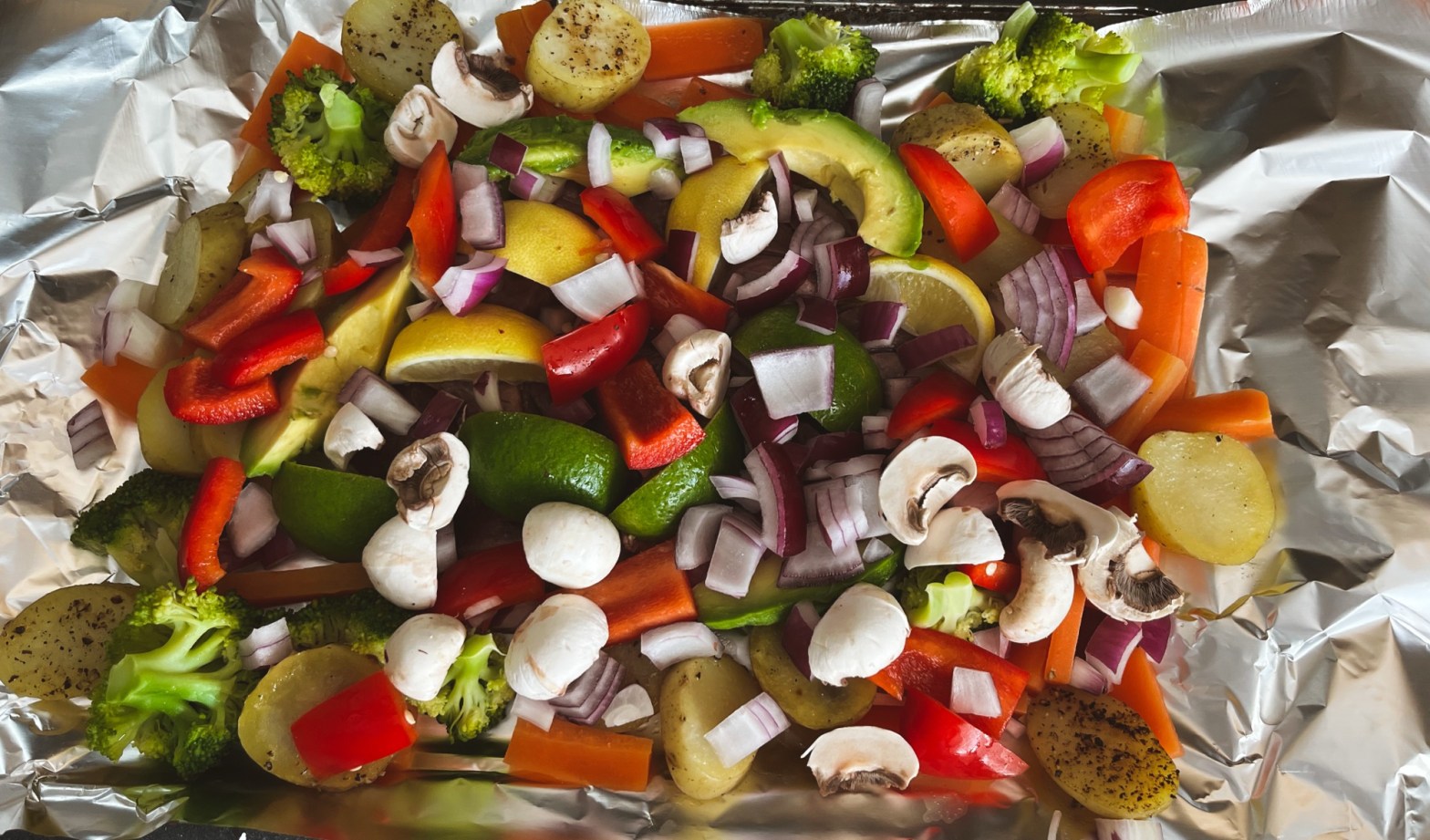
✨ Add an extra veg to the roast tray

✨ Sprinkle berries over dessert

✨ Serve a colourful fruit platter for grazing

✨ Toss herbs or pomegranate seeds over salads

✨ Let children “collect colours” on their plates

Sometimes joy is playful. Sometimes it’s just effortless.

To make it feel even easier, I’ve put together an Eating the Rainbow download — a simple, joyful guide to help you notice colour on your plate and care for yourself with kindness

A Gentle Christmas Reminder

Eating the rainbow isn’t about being “good”.

It’s about nourishing yourself with kindness — especially during a season that can feel busy, full, and overwhelming.

This Christmas Day, you don’t need to change everything.

Just add a little colour.

A little nourishment.

A little joy.

And trust that your body feels the love.

✨ Find the joy — on your plate and beyond.

A Moment to Pause

This Christmas, let go of the idea that your plate — or your day — needs to be perfect.

Notice the colours in front of you.

The warmth of the room.

The voices, the laughter, the still moments in between.

Eating the rainbow isn’t a rule to follow — it’s an invitation to be present, to savour what’s there, and to care for yourself in small, loving ways.

You don’t need to get it “right”.

You just need to be here.

Because joy isn’t found in perfection —

it’s found in the moment you’re living right now.

Finding the Joy Through Food: Rosemary

At Find the Joy, we believe that supporting your emotional well-being doesn’t have to be complicated. Often, it starts with small, familiar choices — like the herbs you cook with every day.

As part of Dr. Uma Naidoo’s Mood Food series, rosemary is highlighted for its gentle yet meaningful support for mood, memory, and overall brain health.

How Rosemary Supports Your Mood

Rosemary contains natural compounds that help support the brain and nervous system. These compounds are known for their antioxidant and anti-inflammatory properties, which may help reduce mental fatigue and support clearer thinking.

The aroma of rosemary alone has been linked to improved focus and a calmer, more alert state. Over time, regularly including rosemary in your meals may help support emotional balance and make everyday stress feel a little easier to manage.

How Easy It Is to Include Rosemary in Cooking

One of the joys of rosemary is how effortless it is to use. It doesn’t require special preparation and adds both flavor and nourishment to simple meals.

You can:

Sprinkle fresh or dried rosemary on roasted vegetables, chicken, fish, or potatoes

Stir it into soups, stews, or sauces Steep it in hot water for a simple herbal tea

Infuse it into olive oil for easy, flavorful cooking

Even small amounts, used consistently, can make a meaningful difference.

Key Health Benefits of Rosemary

Beyond its mood-supporting qualities, rosemary offers several health benefits that support overall well-being:

Helps protect brain cells through antioxidant activity Supports memory, focus, and cognitive clarity May help reduce inflammation in the body Provides nutrients that support circulation and brain health

Together, these benefits support both physical and emotional resilience.

Finding the Joy

Dr. Uma’s Mood Food series reminds us that joy often comes from simple acts of care. Adding rosemary to your cooking is a small, nourishing choice that supports your mood, your mind, and your sense of well-being.

It’s a gentle reminder that joy doesn’t have to be chased — sometimes, it’s already growing right in your kitchen.

This post is inspired by Dr. Uma Naidoo, MD, and her Mood Food series, which explores how simple, nourishing foods can support mood, well-being, and everyday joy.