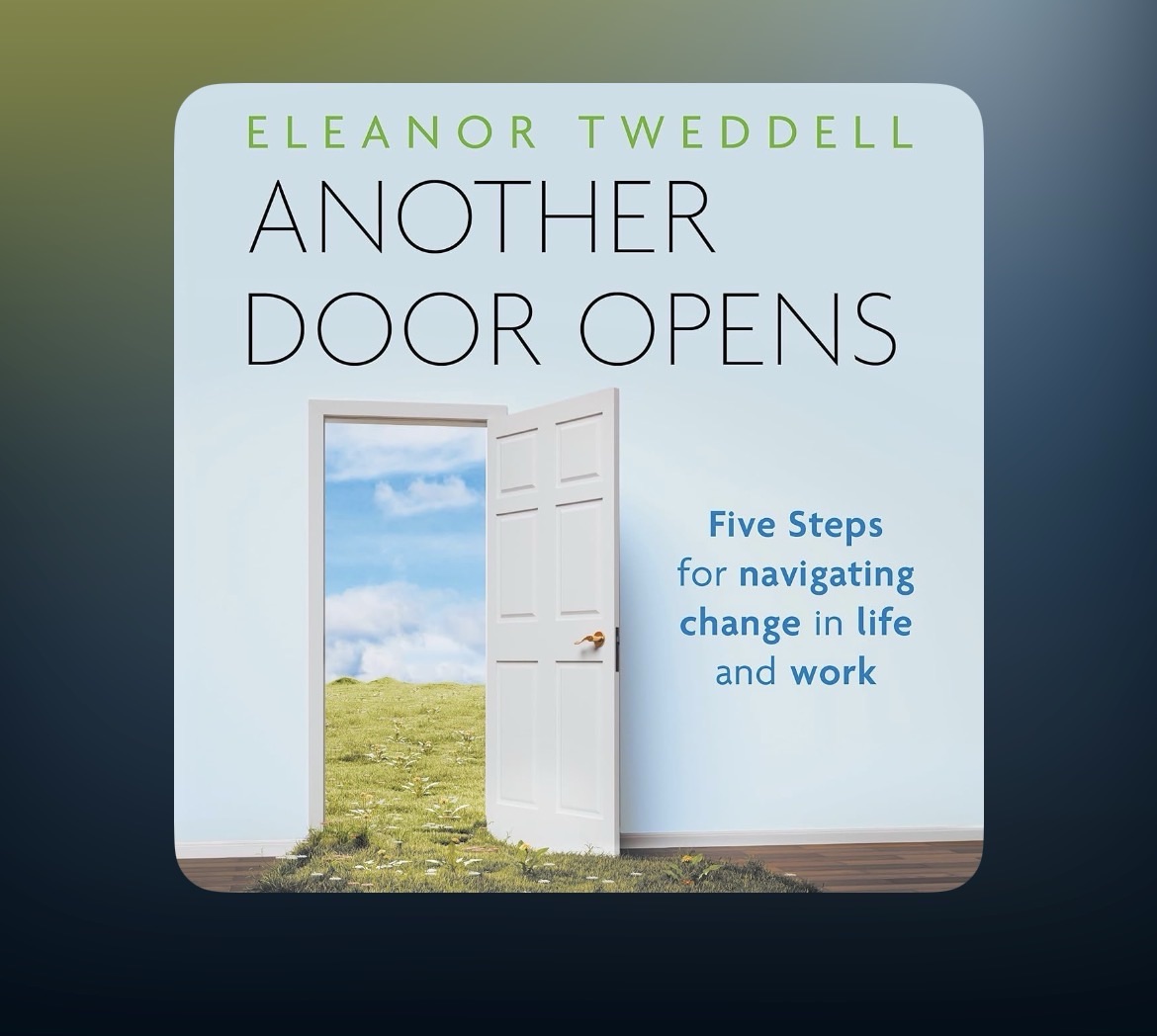
There are moments in life when change arrives quietly, and others when it arrives with force. In Another Door Opens, Eleanor Tweddell captures this reality with honesty and compassion, reminding us that while we may not always choose change, we can choose how we care for ourselves through it.
Chapter 4, “Look After Yourself,” deeply resonated with me because it brings together what I think of as the Find Time for You pillars — the foundations that allow joy, resilience, and balance to exist, even during uncertainty.
🏠 Space to Recharge: Mentally and Physically
In a world that glorifies busyness, taking time to recharge can feel indulgent. Yet Eleanor reframes this beautifully — rest is not a reward; it’s a requirement. Creating space away from work, pressure, and expectations allows our nervous system to settle and our creativity to return.
Whether it’s a walk in nature, time spent reading, or simply doing nothing at all, these pauses give us permission to breathe. Joy often returns not when we chase it, but when we finally slow down enough to notice it.
🎨 Time Away From Work and the Power of Hobbies
Change can easily blur boundaries, especially when identity and work are closely intertwined. Chapter 4 highlights the importance of stepping away — not just physically, but mentally — from work.
Hobbies play a powerful role here. They reconnect us to curiosity, playfulness, and purpose outside of productivity. Whether it’s movement, music, crafting, or learning something new, hobbies remind us that we are more than our roles. They help restore joy in its simplest form.
💤 Sleep: The Foundation of Wellbeing
Sleep is often the first thing sacrificed during times of stress or transition, yet it underpins everything else. Eleanor’s emphasis on sleep hygiene and healthy routines is a timely reminder that rest is one of the most radical acts of self-care.
Consistent routines, gentle evenings, reduced screen time, and creating a calming sleep environment all signal safety to the body. When we sleep well, we think more clearly, regulate emotions better, and gain the perspective needed to navigate change with compassion — for ourselves and others.
🌸 Perspective and Grounding: The 5-4-3-2-1 Method
When life feels overwhelming, grounding techniques can gently bring us back to the present moment. Eleanor references practices such as the 5-4-3-2-1 method, which anchors us through our senses — a powerful reminder that right now, we are safe.
Perspective doesn’t mean minimising our challenges; it means zooming out enough to see that difficult moments are chapters, not conclusions. Joy doesn’t require everything to be perfect — it simply asks us to stay present.
💕 Connection: A Human Need, Not a Luxury
One of the most important themes in this chapter is connection. During periods of change, it’s easy to withdraw — intentionally or unintentionally. Yet humans are wired for social connection; it is part of our evolutionary survival.
Teamwork, shared experiences, conversation, and community are not optional extras — they are essential to wellbeing. Connection reminds us that we are not alone and that joy is often amplified when shared.
🌿 Finding Joy Through Self-Care and Community
This is why the themes of Another Door Opens align so closely with the Self Well Festival — an exciting project I am currently working on. The festival is rooted in the belief that wellbeing is holistic, personal, and deeply human.

I am incredibly fortunate that Eleanor Tweddell has agreed to join the festival as an expert, bringing her insight, warmth, and lived experience to a space designed for reflection, reconnection, and growth.
At its heart, the Self Well Festival is about exactly what Chapter 4 invites us to do:
create space rest deeply reconnect with ourselves and others and, ultimately, find the joy, even when another door has opened.
💛 Joy is not something we wait for on the other side of change. It is something we cultivate — gently, intentionally, and together.

 Find the joy